
B2B PROFESSIONALS
Care Like a Leader™ for the people you serve
Bring better ways of seeing, leading, and planning for care to the people you serve.

Your Chief Care Officer™ creates visual frameworks, planning tools, educational resources, and facilitated experiences that help people see the care system around them, lead it more intentionally, and plan for what comes next.
Bring Care Like a Leader™ thinking into your work with clients, patients, members, families, communities, or users.
Explore the possibilities
Most care support helps with a problem. We help people see the system.
Most resources meet families at a particular moment—a diagnosis, housing decision, financial question, benefits issue, service need, or crisis.
Those resources matter.
But families still have to understand how the pieces connect, how care is changing, what their own capacity looks like, who is carrying what, and what decisions may be coming next.
Your Chief Care Officer™ connects the experience around them.
Our frameworks provide shared language and structure that can complement the expertise, services, resources, and communities people already rely on.
See the system

Help people see what care is asking of them.
You can't navigate a system you can't see.
YCCO's visual frameworks make the hidden structures, pressures, responsibilities, and capabilities within family care easier to recognize and discuss
Care Strengths™
Explore eight capabilities developed through caregiving—from systems thinking and adaptive planning to judgment under uncertainty.
See what care develops
Care Stacks™
Explore visual frameworks that reveal the accumulating pressures shaping how families experience, plan, manage, and sustain care.
See how the pressures build.
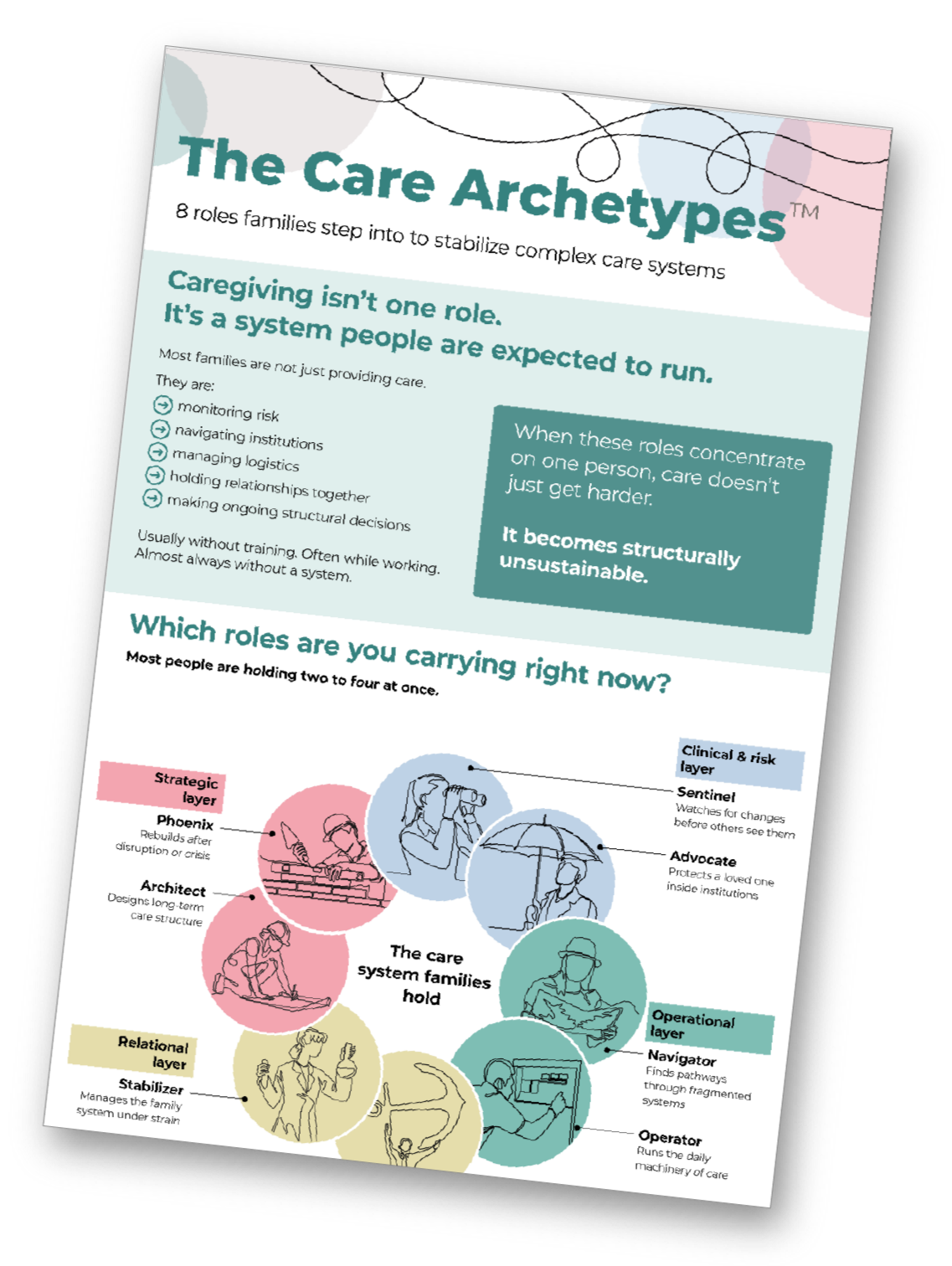
Care Archetypes™
Explore visual frameworks that reveal the accumulating pressures shaping how families experience, plan, manage, and sustain care.
Interactive quiz and report coming soon!
Coming soon

Explore the Visual Architecture of Care™
See the frameworks and models for understanding, leading, and designing care.
Lead with intention
Give people practical ways to navigate the care they're already leading.
Families make consequential decisions while coordinating people, information, resources, relationships, and changing needs—often without a structure for doing it.
YCCO tools give professionals and organizations new ways to help people clarify responsibilities, create shared language, recognize change, and make more intentional decisions.
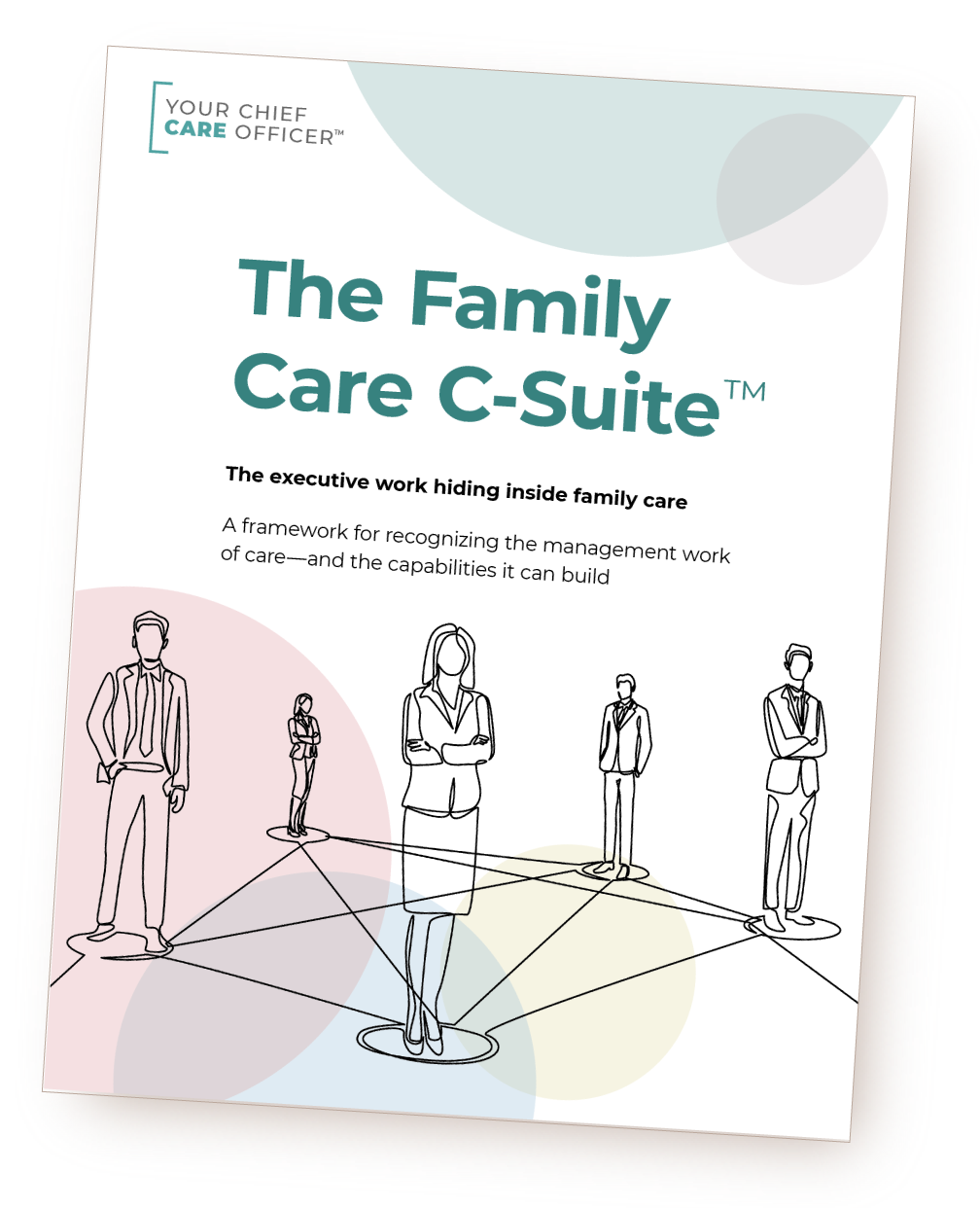
Family Care C-Suite™
Help people recognize the roles and responsibilities they're already carrying—and consider what should remain theirs, what can be shared, and where additional support may be needed.
Coming soon
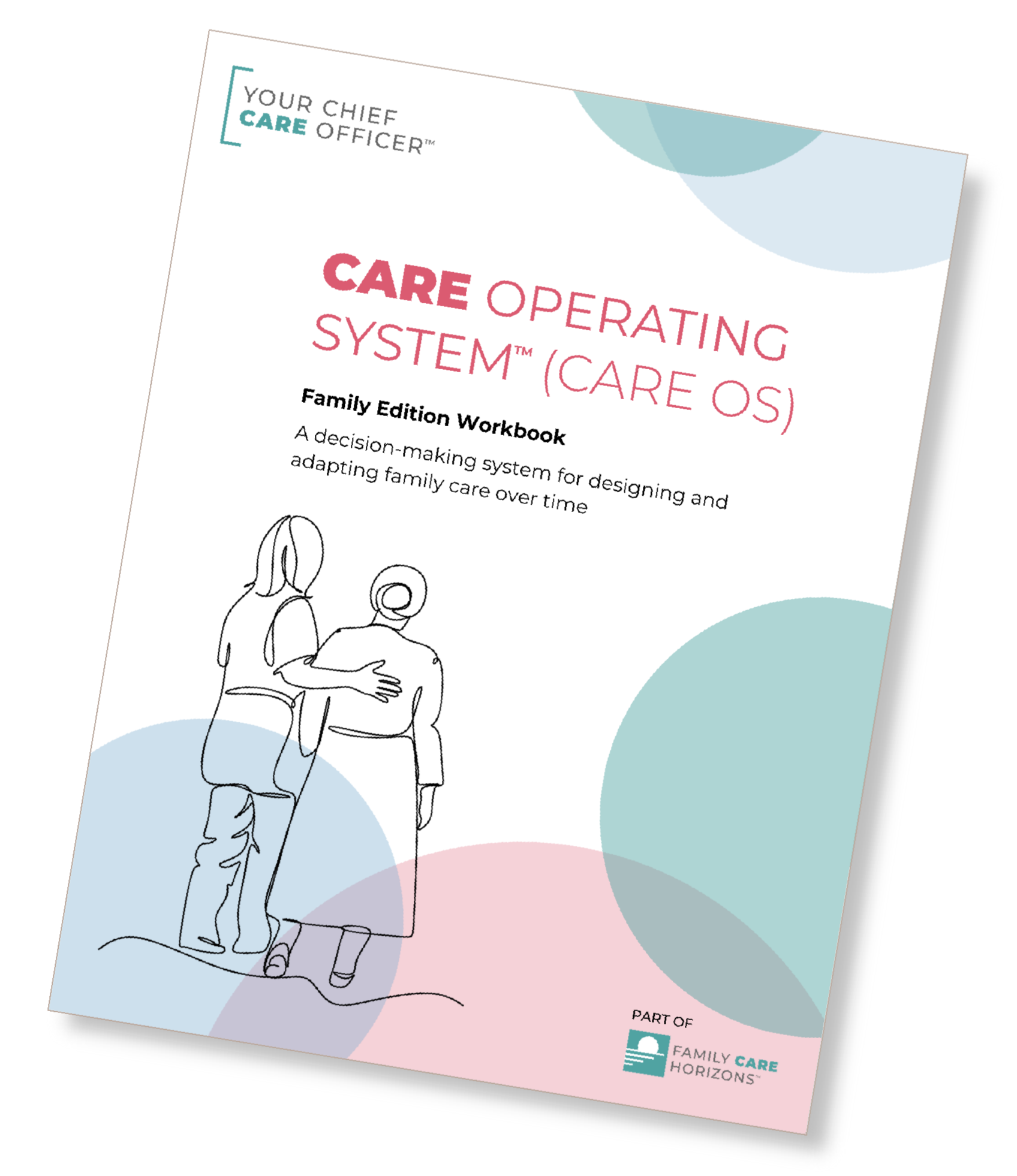
Care Operating System™
Create more structure around responsibilities, coordination, communication, and decision-making.
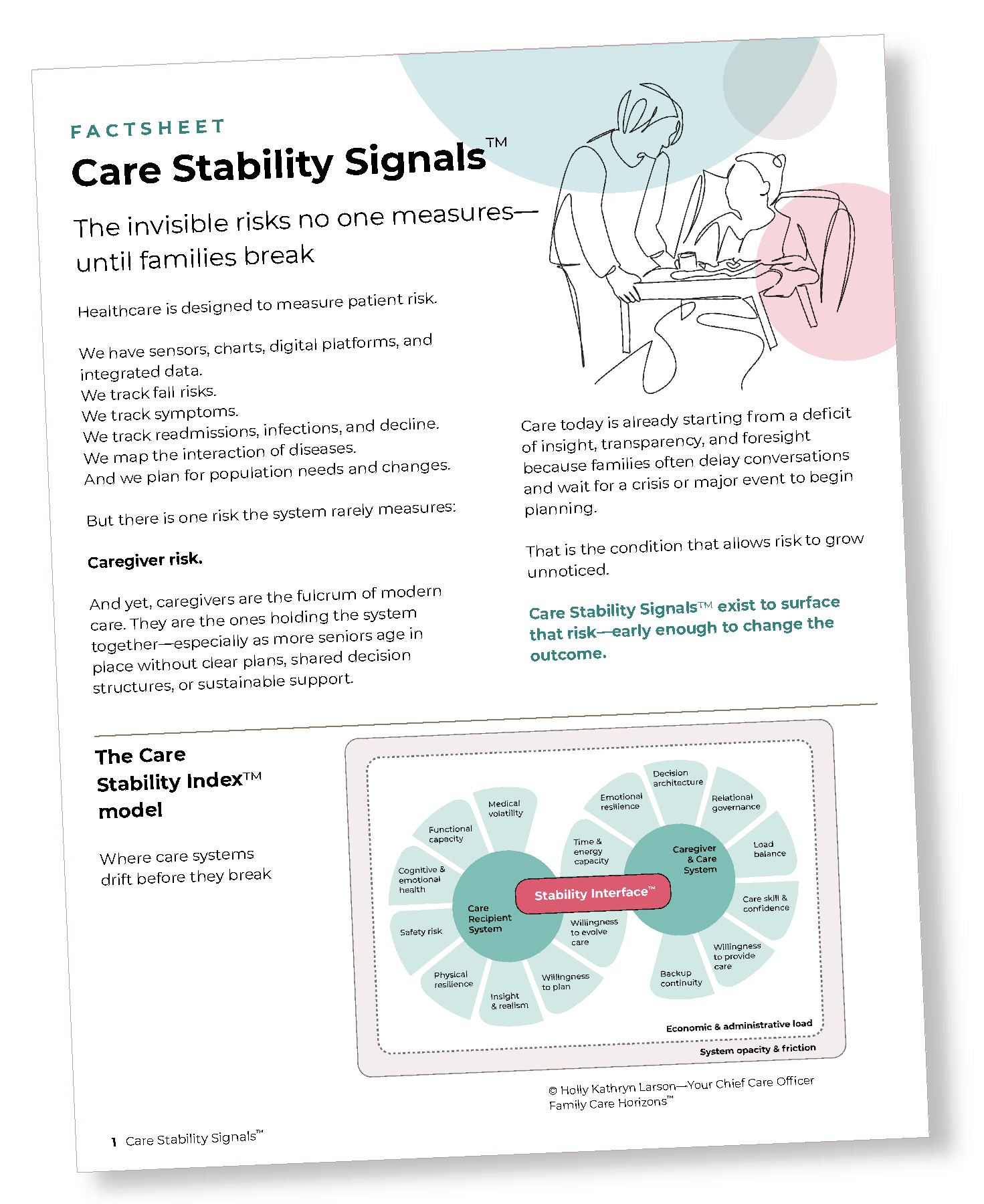
Care Stability Signals™
Help make changing conditions, pressures, and emerging instability easier to recognize and discuss.
Explore leadership and decision-making tools
Design what comes next
Help people think beyond today's care problem.
Planning for care isn't only about solving what's happening now.
It's also about anticipating change, understanding preferences and priorities, having important conversations earlier, and considering the life and care system people are trying to create.
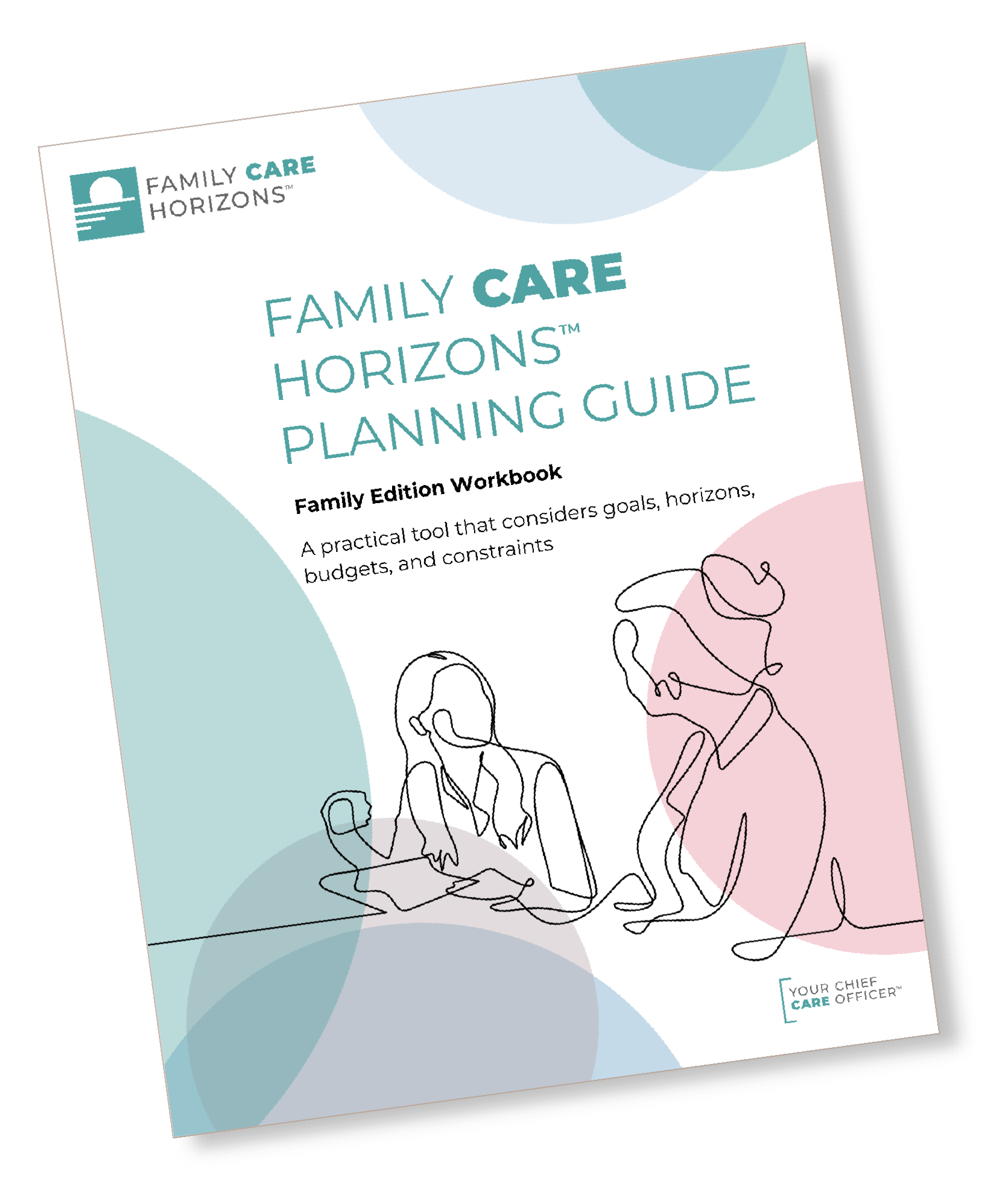
Family Care Horizons™ Planning Guide
Help people see how care may evolve and turn that understanding into practical conversations and planning.
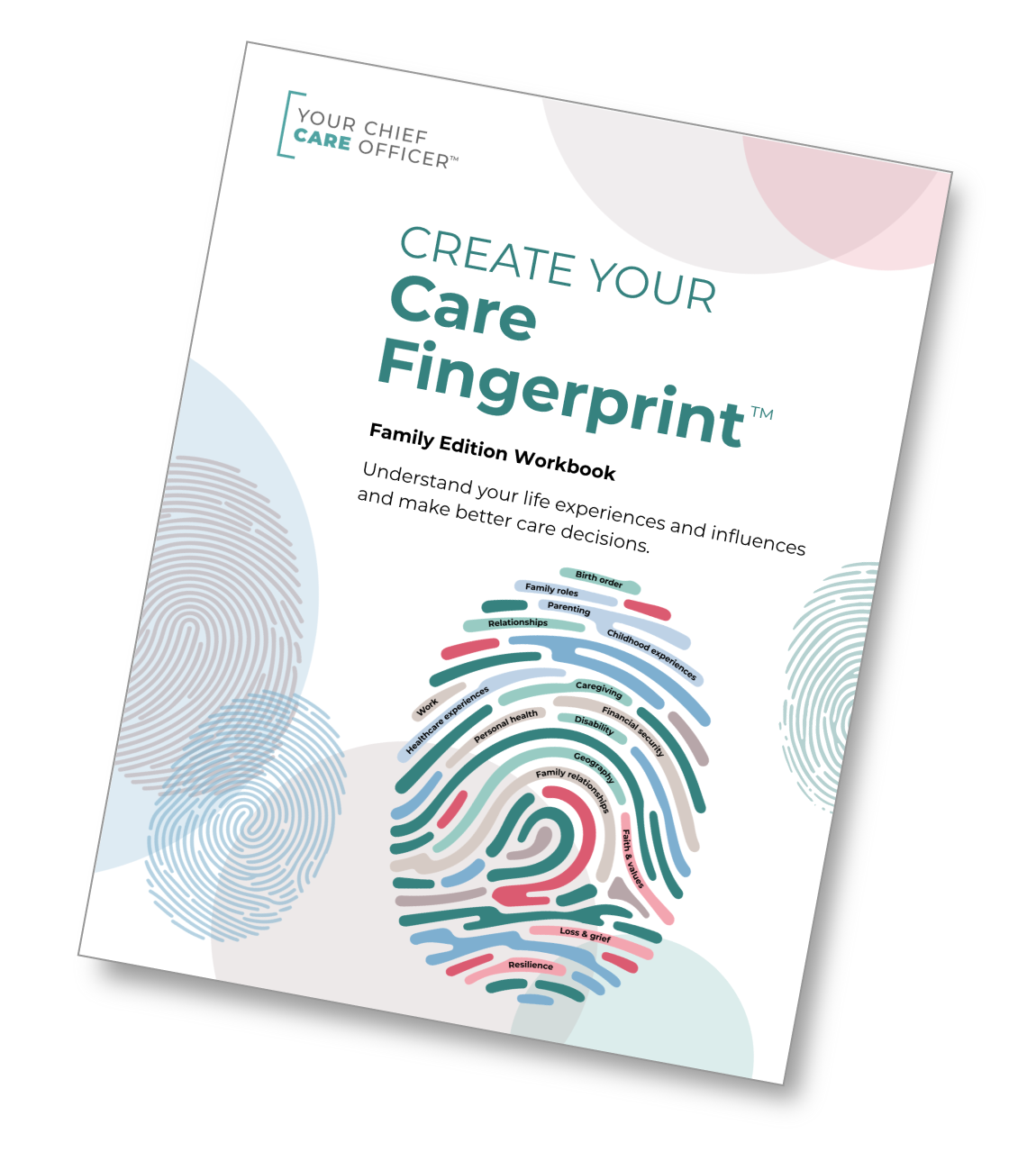
Care Fingerprint™
Explore the values, preferences, relationships, and priorities that shape how someone thinks about care.
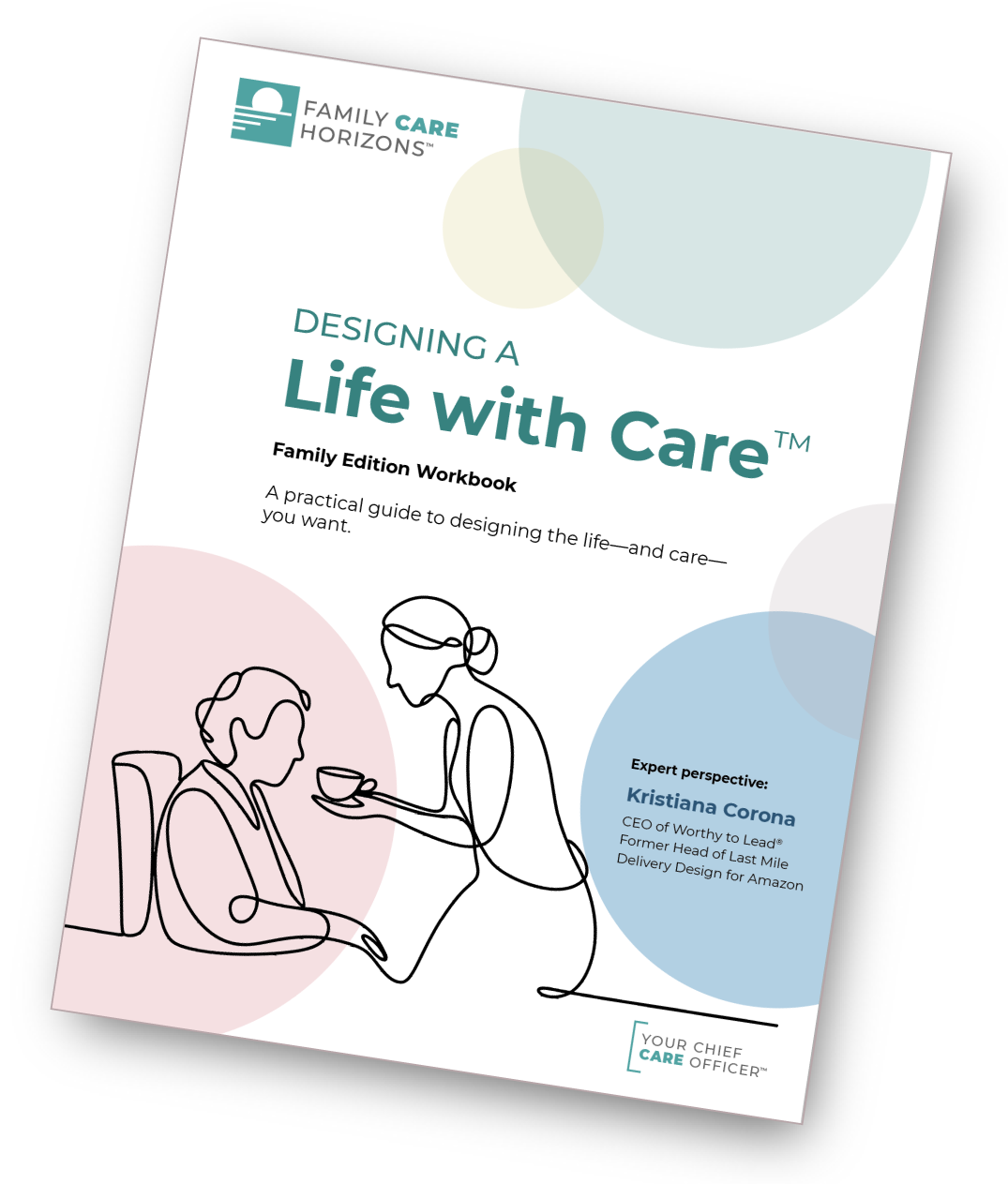
Designing a Life with Care™
Look beyond individual care decisions to consider the life, relationships, and care system someone is trying to create.
Explore professional resources
YCCO frameworks don't have to live on a page.
They can become conversations, workshops, educational programs, member experiences, community programming, or structured planning experiences.
Bring an experience to the people you serve.
Help people see the care system they're already part of, understand the leadership it requires, and explore more intentional ways to navigate what comes next.
Care Strengths™ + Family Care C-Suite™
Help people recognize the capabilities care has developed in them and understand the roles and responsibilities they're already carrying.
Create space for people to think beyond immediate care demands and consider what they want care—and the life around it—to look like.

Help people anticipate how care may change and begin important conversations before circumstances force them.
Bring an experience to your audience
Commission a facilitated experiences and workshop formats using selected YCCO frameworks.
Put YCCO to work in your world
One body of thinking. Many ways to use it.
How YCCO fits depends on who you serve and what you're trying to help them understand, decide, or navigate.
Professional practices
Bring visual frameworks, planning tools, and structured experiences into client and family conversations.
Care & aging organizations
Incorporate YCCO frameworks into caregiver education, family programming, transitions, and other family-facing experiences
Associations & membership organizations
Create member education, webinars, workshops, planning initiatives, and resources around family care.
Platforms & innovators
Bring selected visual frameworks, decision-support concepts, and care-system thinking into digital experiences, content, or programming.
Community & faith-based organizations
Give families shared language and accessible ways to start conversations, understand changing care needs, and plan ahead.
Create something for your members or community
Turn YCCO thinking into a program of your own.
Want to bring a larger care topic to the people you serve?
YCCO frameworks, visual models, videos, planning resources, and facilitated experiences can be combined into a customized educational initiative for your association, membership group, nonprofit, community, or professional audience.
Examples include
Planning before the crisis
A multi-part educational series helping people recognize the care they already carry, anticipate change, start important conversations, and make more intentional decisions.
Understanding the hidden work of care
A visual learning experience using Care Stacks™, Care Strengths™, and other YCCO models to make invisible responsibilities and pressures easier to see.
Designing a Life with Care™
A guided experience that moves beyond today's logistics to explore priorities, relationships, tradeoffs, and what people want care to make possible.
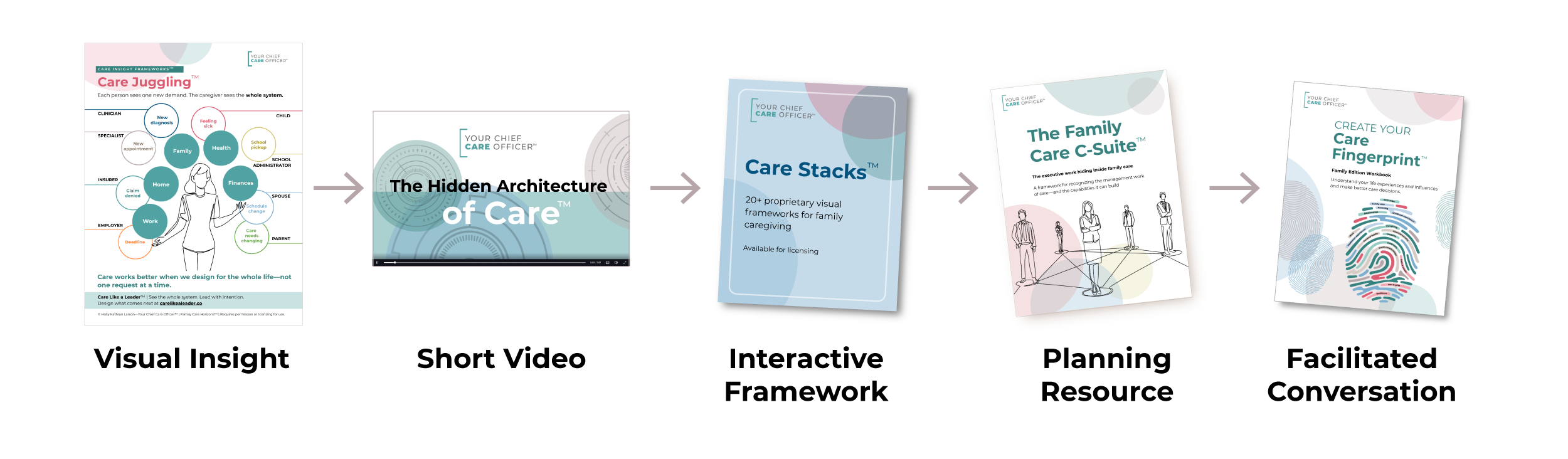
Sample program sequence
Make it yours: Bring YCCO into an experience you're already creating
Selected frameworks, tools, and resources can be used within existing professional services, member programs, caregiver initiatives, community education, workshops, communications, and digital experiences.
Depending on the application, partnerships may include:
Professional use of selected frameworks and tools
Facilitated workbooks and experiences
Organizational licensing
Co-branding or customization
Digital or platform applications
Have an application in mind?
Tell us what you're trying to help people understand, decide, or navigate.
Looking for something more strategic?
If you're trying to rethink how your organization approaches family care—from workforce strategy and customer experience to products, services, thought leadership, communications, or emerging opportunities—work directly with Holly through YCCO's enterprise offerings.


Note: When we say family, we mean anyone involved in supporting someone’s care—including parents and adult children, partners, friends, neighbors, and community or faith-based supporters. Individuals planning for their own care can also use these tools.
Frequently Asked Questions
-
YCCO frameworks are designed for professionals and organizations that support people navigating family care, aging, illness, disability, and changing care needs.
That may include care managers and navigators, financial and legal professionals, senior living and aging professionals, coaches and consultants, associations and membership organizations, community and faith-based organizations, nonprofits, care organizations, and others helping people navigate consequential care decisions.
Selected frameworks may also be appropriate for digital platforms and organizations looking to bring greater visibility, structure, and decision support into the experiences they provide.
-
YCCO frameworks can help people see care more clearly, create shared language, structure difficult conversations, clarify roles and responsibilities, recognize changing needs or capacity, and think more intentionally about what comes next.
Depending on the setting, they may support client or family conversations, care planning, workshops, educational programs, member experiences, community initiatives, facilitated experiences, communications, or digital products.
-
Most caregiving resources address a particular need, decision, or moment—a diagnosis, housing question, financial or legal issue, service need, benefit, or crisis.
Those resources matter.
YCCO takes a systems view. Our frameworks help people understand how the pieces connect, how care changes over time, what capacity exists within the system, where strain may be emerging, and what decisions may be coming next.
That makes YCCO complementary to the expertise, services, and resources professionals and organizations already provide.
-
No.
YCCO frameworks add visibility, structure, and shared language to the work you already do—not replace your expertise or professional judgment.
They can help surface questions, patterns, responsibilities, and changing conditions that might otherwise remain difficult to see or discuss. How those insights are interpreted and applied depends on your role, expertise, and the needs of the people you serve.
-
YCCO frameworks and tools can be applied in different ways depending on your audience and use case.
Options may include professional use of selected frameworks and visual models, facilitated workbooks and experiences, organizational licensing, co-branding or customization, and selected digital or platform applications.
If you have an application in mind, tell us what you're trying to help people understand, decide, or navigate.
-
Explore the Planning Guide, Care Operating System™, and free caregiving resources.