
Care Like a Leader™
You are already leading care.
Families are increasingly being asked to hold together complex systems of care—often without the visibility, structure, or support the role requires. Your Chief Care Officer™ helps families and the organizations that support them see care as a system, lead it with intention, and design what comes next.
Run care as a system. Live like a human.
Find your starting point
Families & individuals
Planning for your own future or supporting someone you love.
Professional
Supporting families through your work, services, or platform.
Organizations
Rethinking how your organization supports, serves, or engages families.

Families are the operating system of care.
Care may involve clinicians, services, technology, employers, friends, neighbors, and communities.
But someone still has to hold it together. Usually, that's the family.
As needs change, families compensate. Responsibilities grow. Coordination becomes harder. One person may carry more of the load. What looks like stability can quietly become a system under strain.
More effort isn't always the answer. Sometimes the system needs to change.

Caring like a leader doesn't mean making care corporate.
It means stepping back from the immediate demands long enough to see the whole system, understand what matters, make deliberate decisions, build capacity, anticipate change, and adapt.
Good care requires more than effort. It requires leadership.
Care Like a Leader™
See the system

You can't lead what you can't see.
See the systems, pressures, and patterns shaping care.
The Visual Architecture of Care™

A growing collection of visual models that makes the hidden structure of family care easier to see—including how responsibilities accumulate, interact, and change over time.
Care Stacks™ · Care Architecture™ · Care Insight Frameworks™
Lead with intention
Care doesn't need another hero.
Recognize the capabilities you bring to care. Make responsibility more visible. Create greater clarity around roles, capacity, decisions, and what the system needs from the people leading it.
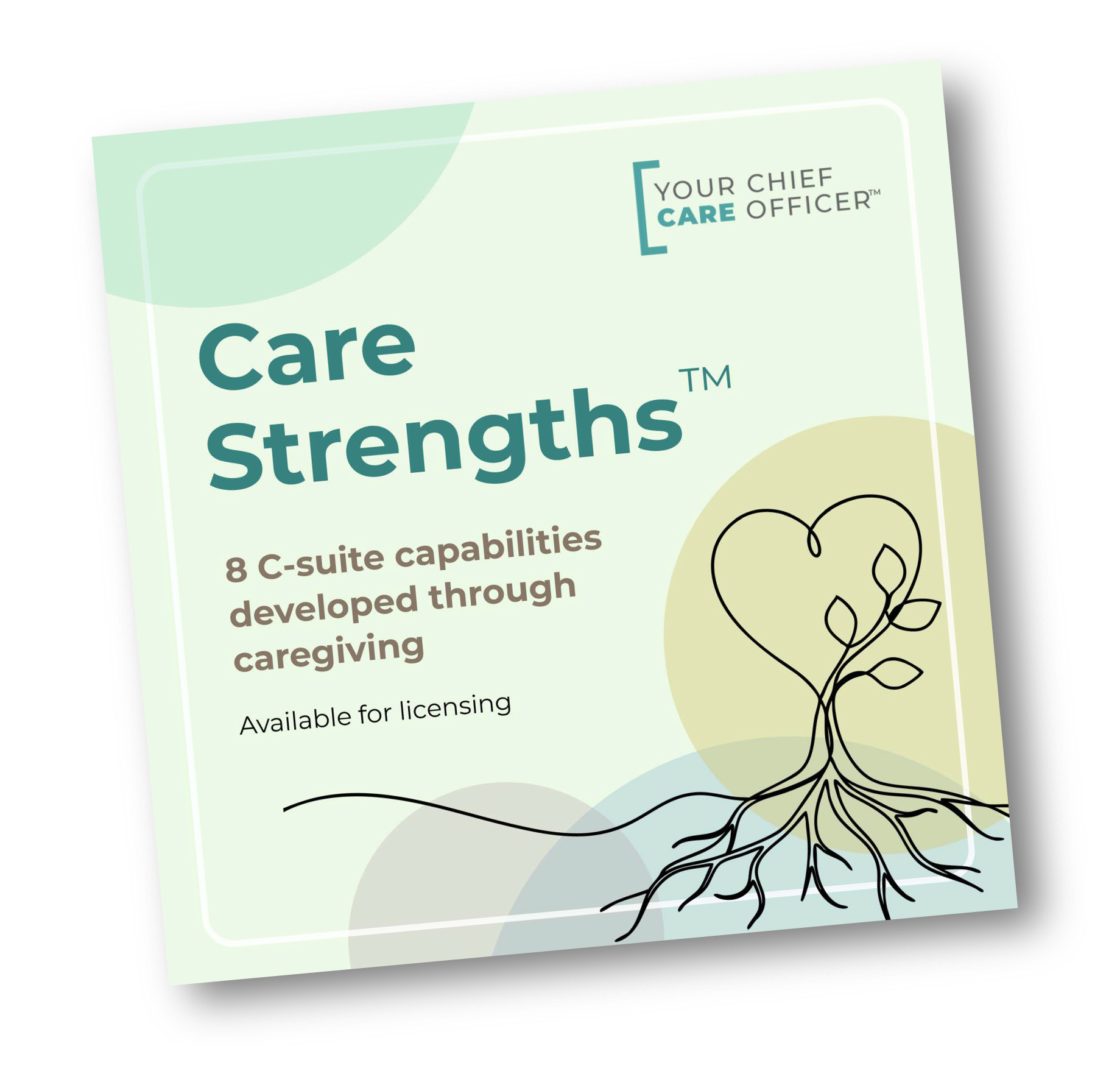
Care Strengths™
Recognize the capabilities care has developed in you—and the strengths you bring to complex situations.
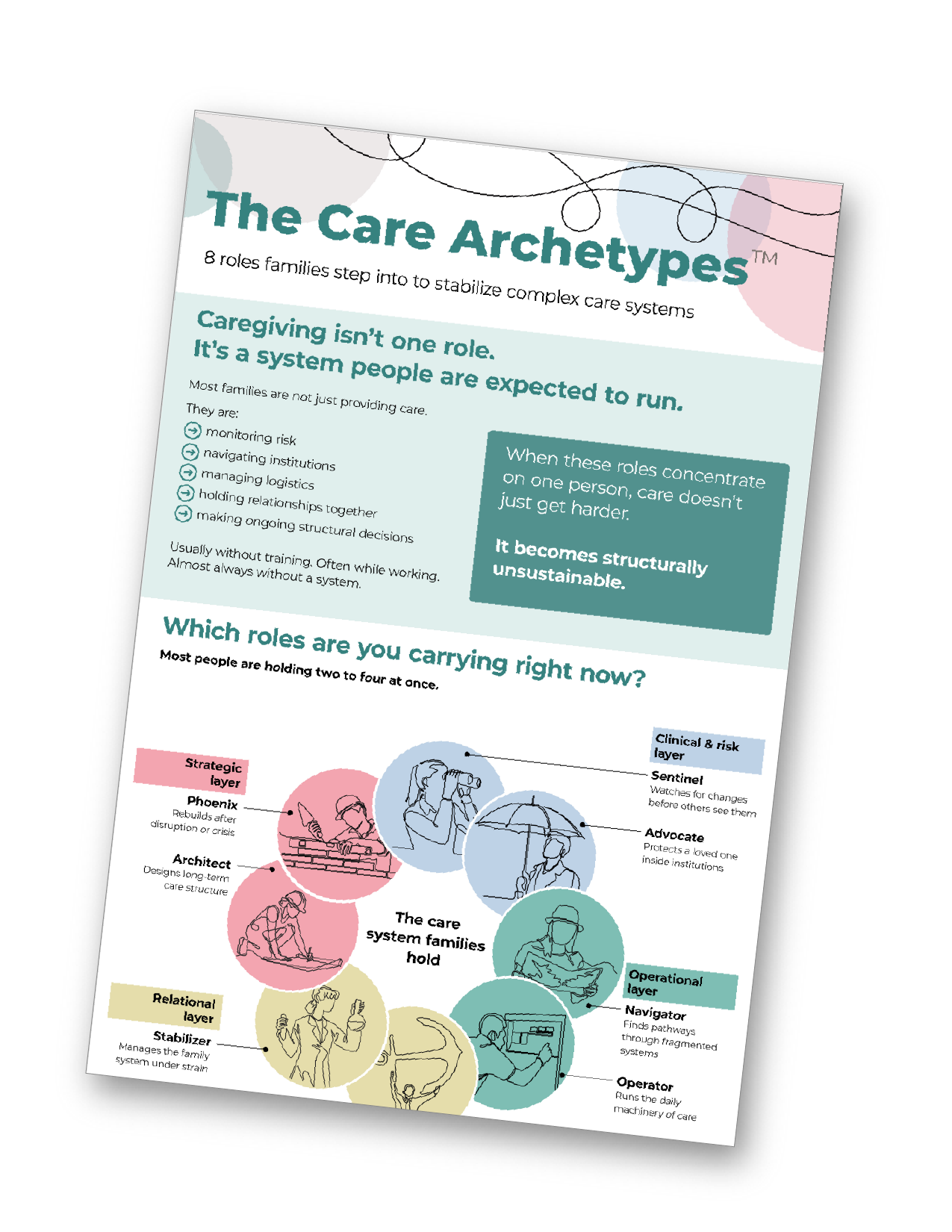
Understand the patterns that shape how different people approach roles, responsibilities, decisions, and leadership in care.
Interactive quiz and report coming soon!
Care Archetypes™
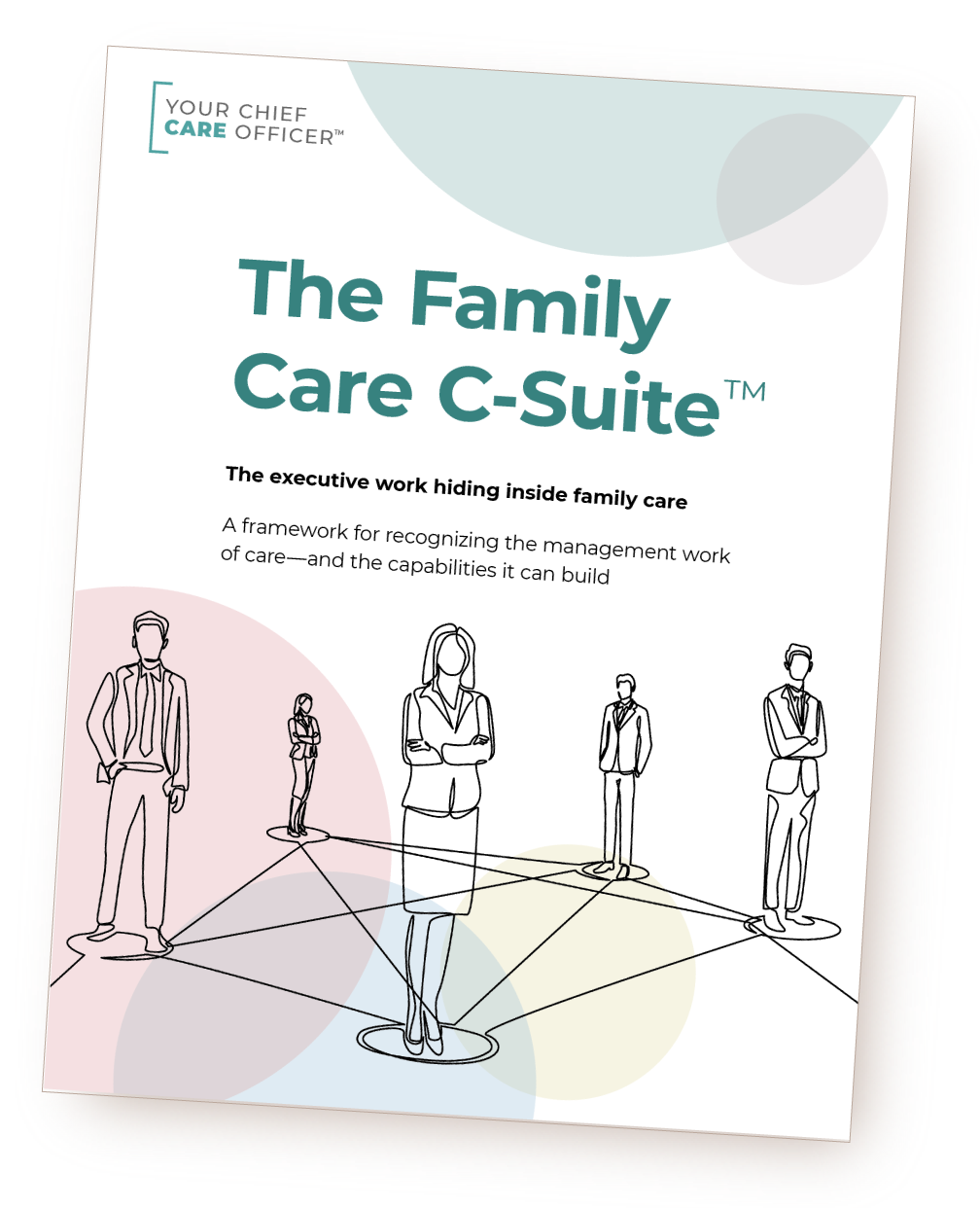
Every family care system has a C-Suite. Most just don't know it.
Discover the six executive functions that keep care running, from decisions and operations to finances, communication, and risk. See who's carrying the responsibilities today, where the system may be vulnerable, and how to build a stronger, more sustainable way to manage care.
Family Care C-Suite™
Design what comes next
Don’t just solve today’s care challenge. Design for the life you’re trying to create.
Look beyond the immediate decision to what matters to the people involved, how they want to live, what they want to preserve, and what they want the future to make possible.
Design care around that. Build a life in which care can belong.
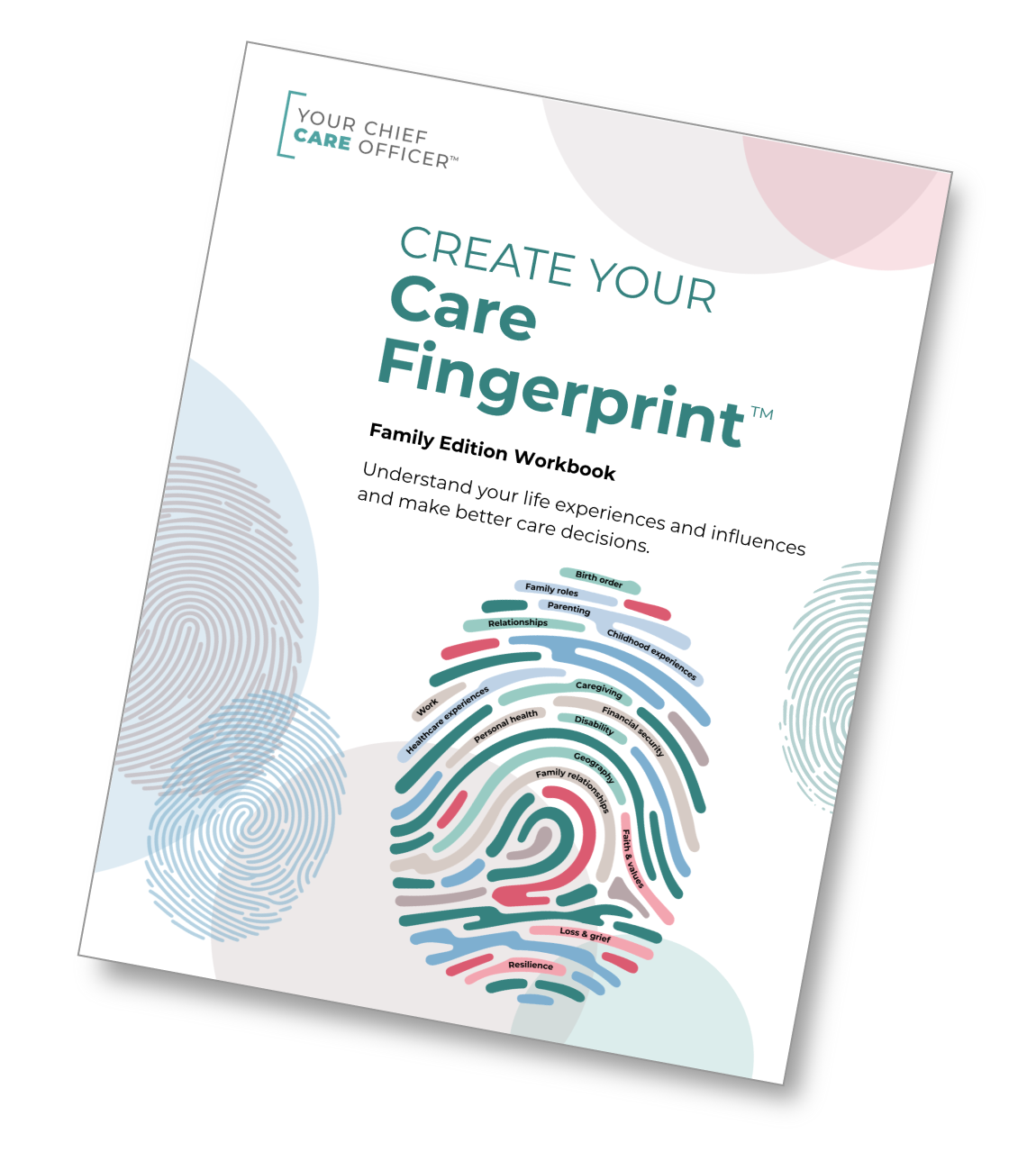
Care Fingerprint™
Understand what you bring to care. See how your experiences, relationships, values, and beliefs shape the way you think about giving, receiving, and planning for care.
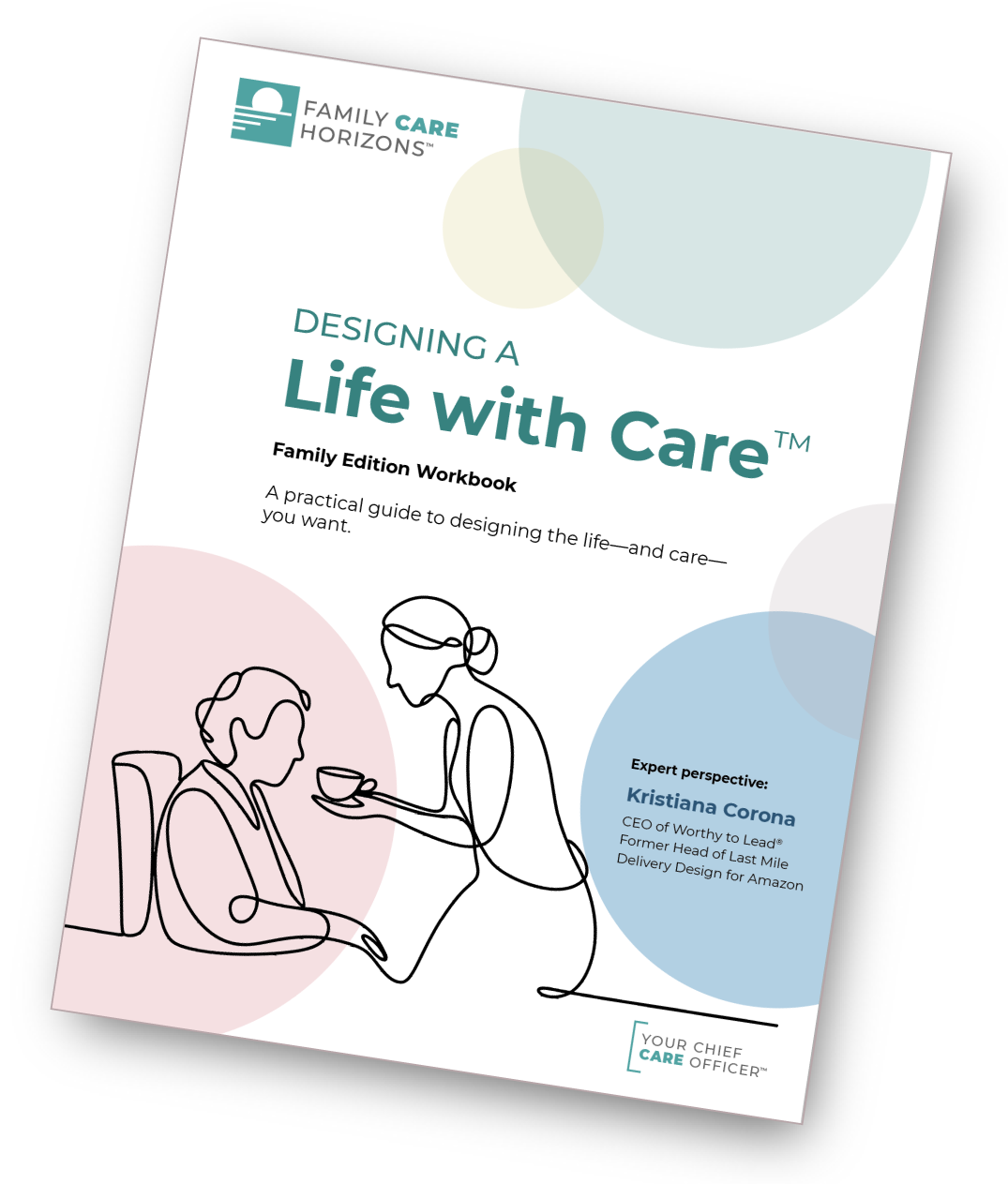
Designing a Life with Care™
Start with the life. Then design the care. Imagine what you want life to look like, consider possibilities beyond the obvious choices, and test ideas before making bigger decisions.
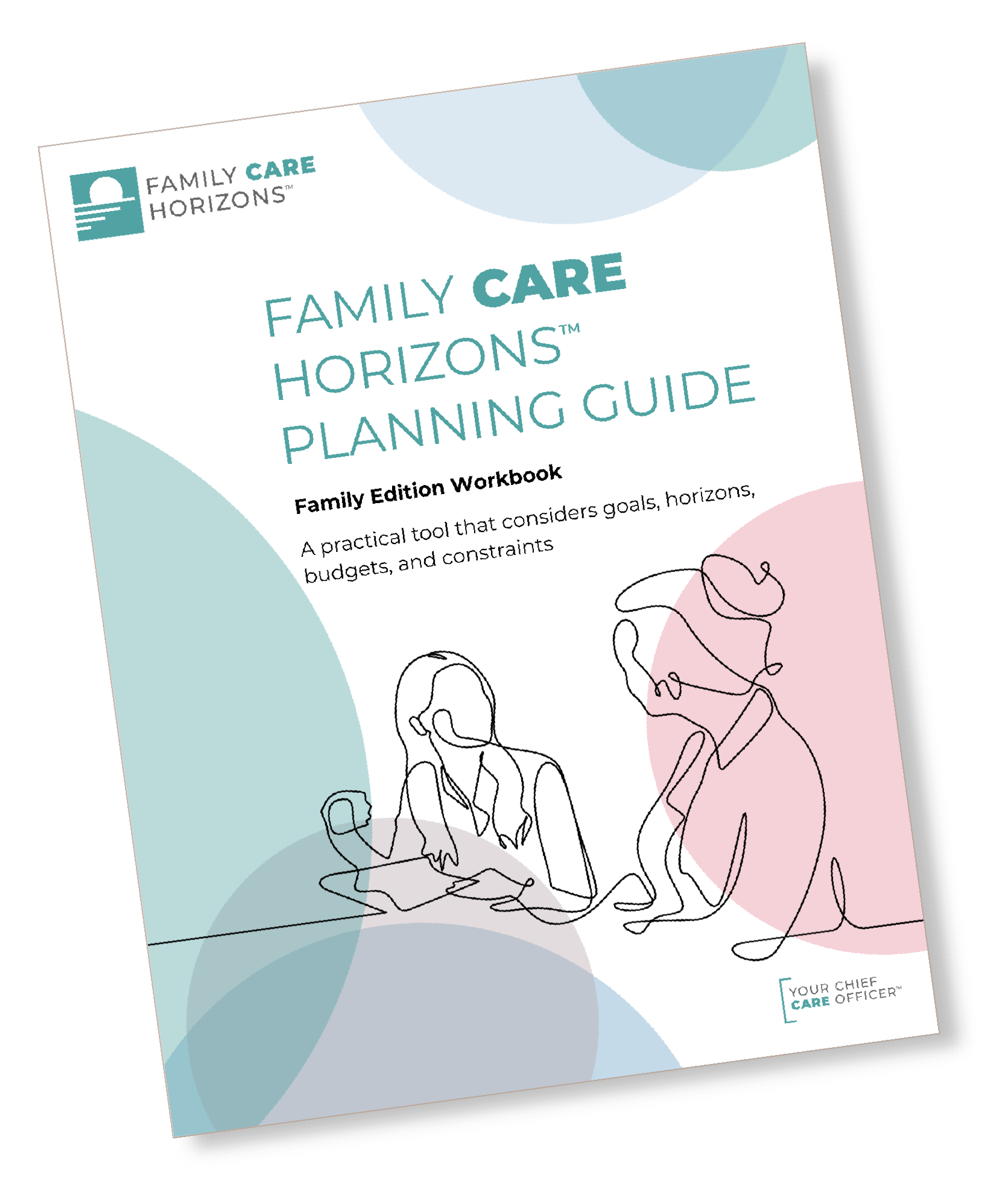
Family Care Horizons™ Planning Guide
See where care is now—and what could come next. Understand your current care situation, compare support and care options, consider costs and tradeoffs, and build a plan that can evolve as needs change.
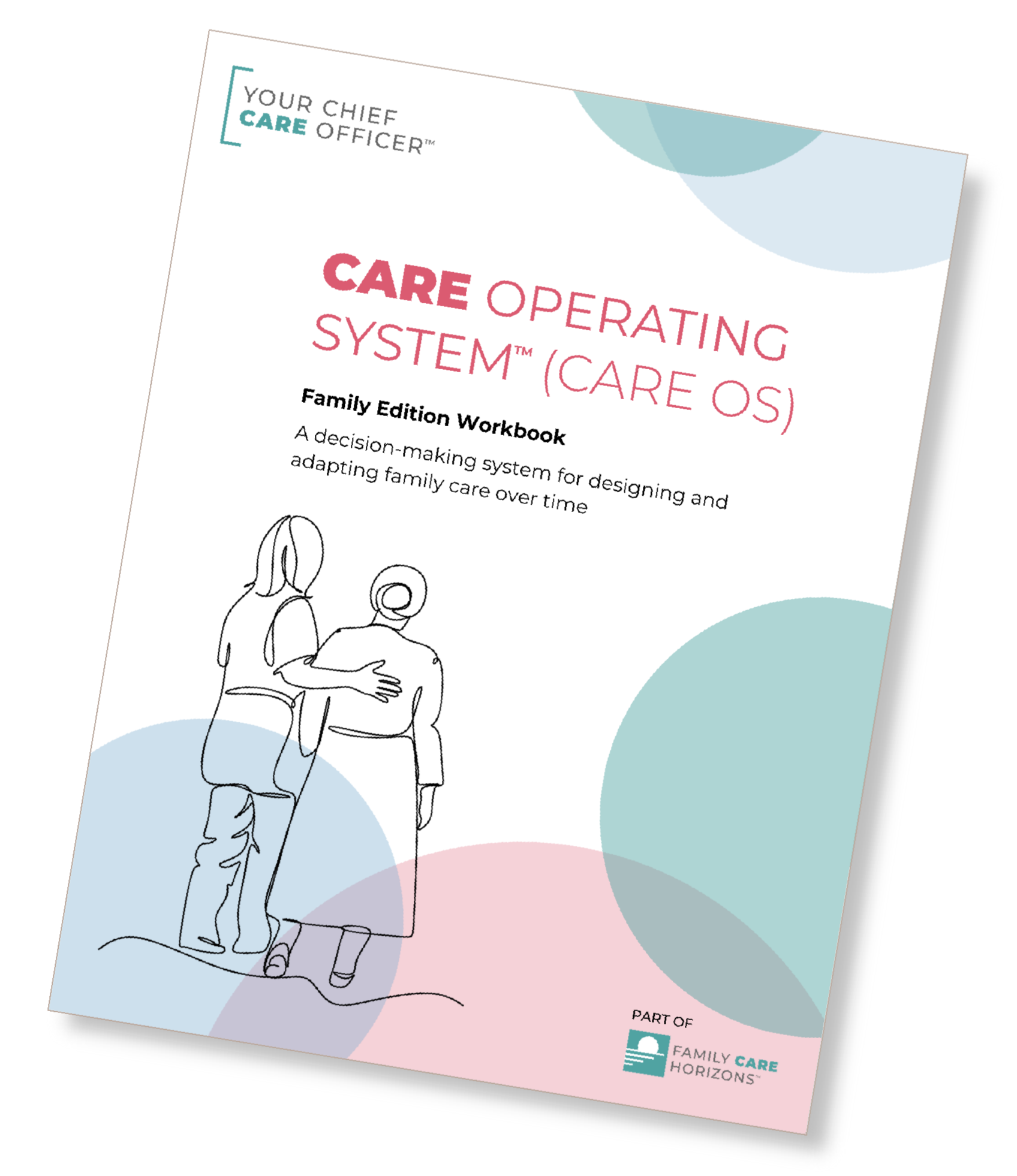
Care Operating System™
Build a care system that can adapt. A practical decision-making system for designing, running, and adapting family care over time—with greater clarity around direction, capacity, responsibility, stability, and change.
Start where you are.
You don't need to use every framework or tool. You may be planning ahead while life is relatively stable. You may already be coordinating care every day. Or a diagnosis, hospitalization, fall, or other change may have made decisions suddenly more urgent.
Start with the question in front of you—and use the tools that help.
Planning for your own future or supporting someone you love?
Find frameworks and practical tools for understanding what's changing, considering your options, and making more intentional decisions.

Supporting families in your work?
Bring YCCO frameworks, tools, and visual models into the work you do with clients, patients, members, communities, or users.

Leading change in an organization?
Bring a family-care systems lens to strategy, workforce challenges, products, services, experiences, thought leadership, and emerging opportunities.
Note: When we say family, we mean anyone involved in supporting someone’s care—including parents and adult children, partners, friends, neighbors, and community or faith-based supporters. Individuals planning for their own care can also use these tools.
Frequently Asked Questions
-
Family caregiving is the unpaid or informal support people provide to a parent, spouse, partner, child, relative, friend, or other person who needs help because of aging, illness, disability, or changing health needs.
Caregiving can include hands-on help, but it often involves much more: coordinating care, making decisions, managing appointments and services, handling finances and paperwork, monitoring changes, and keeping different parts of a person’s life working together.
At Your Chief Care Officer™, we think of this as a care system—and families are often the ones holding that system together.
-
Caregiving can become overwhelming because families are often managing an increasingly complex system, not simply completing a list of tasks.
As care needs change, responsibilities can grow across health, home, finances, work, relationships, transportation, services, and decision-making. Families often compensate by doing more, especially when one person becomes the default caregiver.
Over time, that extra effort can hide growing strain. More effort isn’t always the answer. Sometimes the care system itself needs to change.
This salvages the strongest idea from the existing answer, which already says families are managing an “invisible system,” not simply helping someone.
-
Changes that may indicate an aging parent needs additional support include missed medications, increasing confusion, difficulty managing appointments or finances, falls, social withdrawal, changing personal care needs, or increasing reliance on family members.
Changes in the caregiver can matter too. Growing exhaustion, coordination demands, decision fatigue, or difficulty keeping everything working may indicate that the current care arrangement is becoming harder to sustain.
Your Chief Care Officer™ calls patterns like these Care Stability Signals™—early signs that care needs, family capacity, or the care system itself may be changing.
-
Families can begin planning for aging parents while they are still healthy and independent. Planning earlier can create more time to discuss preferences, finances, housing, legal preparation, family roles, support options, and how parents want to live as their needs change.
But it is never necessary to wait for the “perfect” time. Families can also begin planning after a diagnosis, hospitalization, fall, or other significant change.
The goal isn't to predict everything that might happen. It's to understand what matters, anticipate what could change, and preserve as much flexibility and choice as possible.
-
A family caregiving plan should consider more than medical needs. It can include the care recipient’s preferences and priorities, family capacity, decision-making roles, finances, housing, health and personal care needs, available support, contingency plans, and signs that the current arrangement may need to change.
Because care evolves, a caregiving plan should also be revisited over time rather than treated as a one-time document.
-
Start by identifying what has changed, what is most urgent, who currently holds responsibility, and where the existing care arrangement is no longer working.
A crisis may require immediate decisions, but families can still step back and look at the larger system: current care needs, available capacity, decision-making responsibilities, resources, and what needs to change to make care more sustainable.
Planning isn't only useful before caregiving begins. It can also help families stabilize and redesign care during periods of significant change.
-
A family care system is the network of people, responsibilities, decisions, resources, services, and supports involved in helping someone live and receive care.
It may include family and friends, healthcare providers, paid caregivers, community organizations, employers, technology, financial resources, housing, and other forms of support. But someone still has to connect the pieces, notice change, make decisions, and keep the system working.
That coordinating role frequently falls to families.
-
Care Like a Leader™ means approaching family care with greater visibility, intention, foresight, and adaptability.
It does not mean making family care corporate. Families are already making consequential decisions, coordinating people and resources, balancing limited capacity, responding to change, and protecting what matters to the people they love.
Care Like a Leader™ recognizes that role and gives families a way to see the system, lead with intention, and design what comes next.
-
Explore the Planning Guide, Care Operating System™, and free caregiving resources.