
FAMILY RESOURCES
Care Like a Leader™ in your own life.
You’re already making decisions, coordinating people and resources, responding to change, and trying to protect what matters.
Your Chief Care Officer™ offers practical frameworks and tools to help you see the care system more clearly, lead it with greater intention, and design what comes next.
Start wherever you are.
See the system

You can't lead what you can't see.
Care can grow gradually. A few appointments become ongoing coordination. Responsibilities shift. Decisions accumulate. What once worked may become harder to sustain.
These resources help make the care system around you easier to see.
Family Care Horizons™
See where care is now—and how it may be changing.
A visual framework for understanding how care evolves over time, where pressure may build, and when there may be opportunities to plan earlier.

The Hidden Architecture of Care™
See what you’re actually managing.
Explore the work, people, decisions, risks, roles, and relationships that make up a family care system.

Care Insight Frameworks™
See familiar care challenges from a different angle.
Original visual ideas about care, work, family, leadership, planning, and decision-making.
Lead with intention
Create more structure around the care you’re already leading.
Leading care doesn’t mean doing everything yourself. It means understanding what needs to happen, who is carrying what, how decisions get made, and where the system may need to adapt.
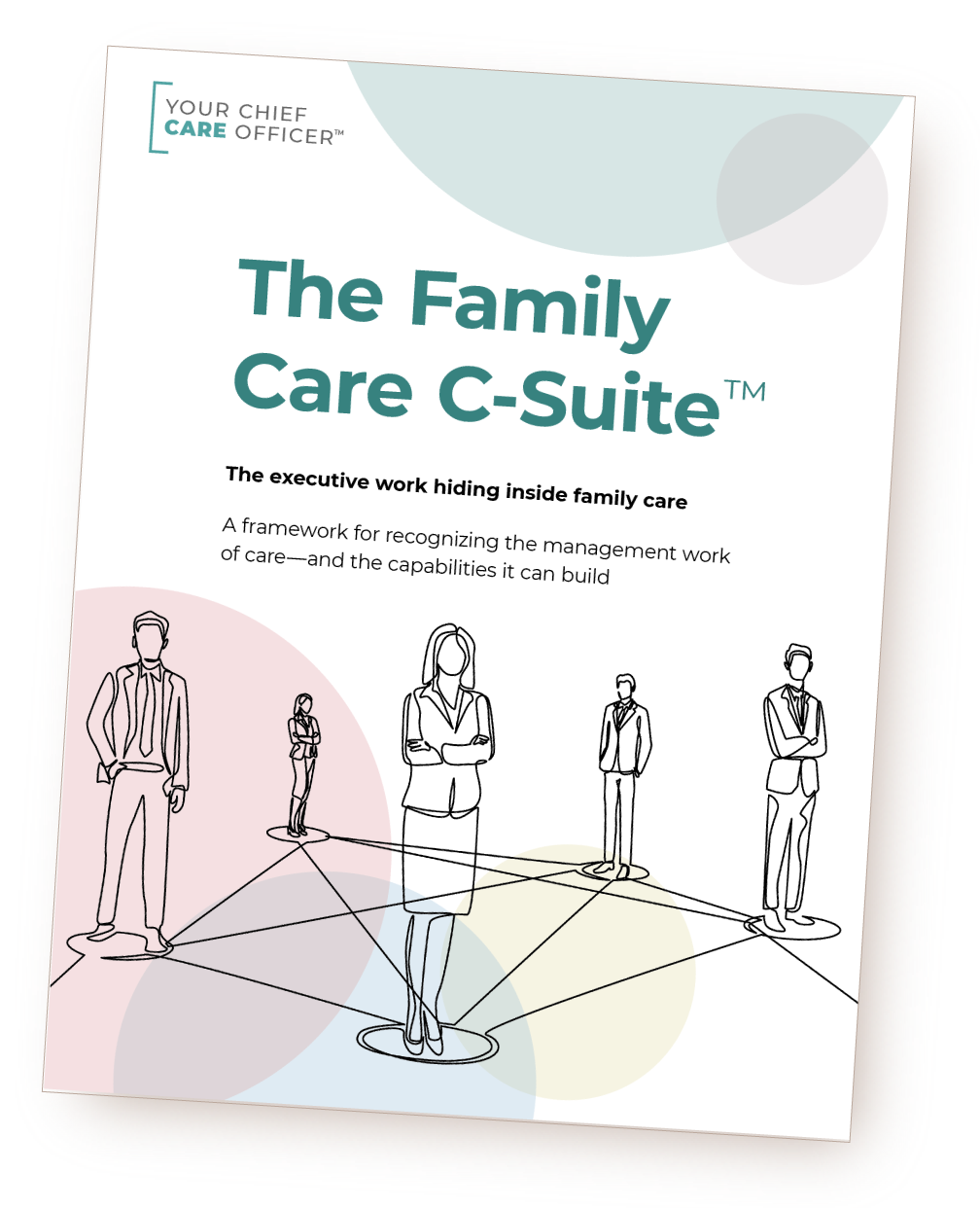
The Family Care C-Suite™
Recognize the leadership work hiding inside family care.
See the roles and responsibilities involved in setting direction, coordinating operations, managing health, finances, communication, and preparing for change.
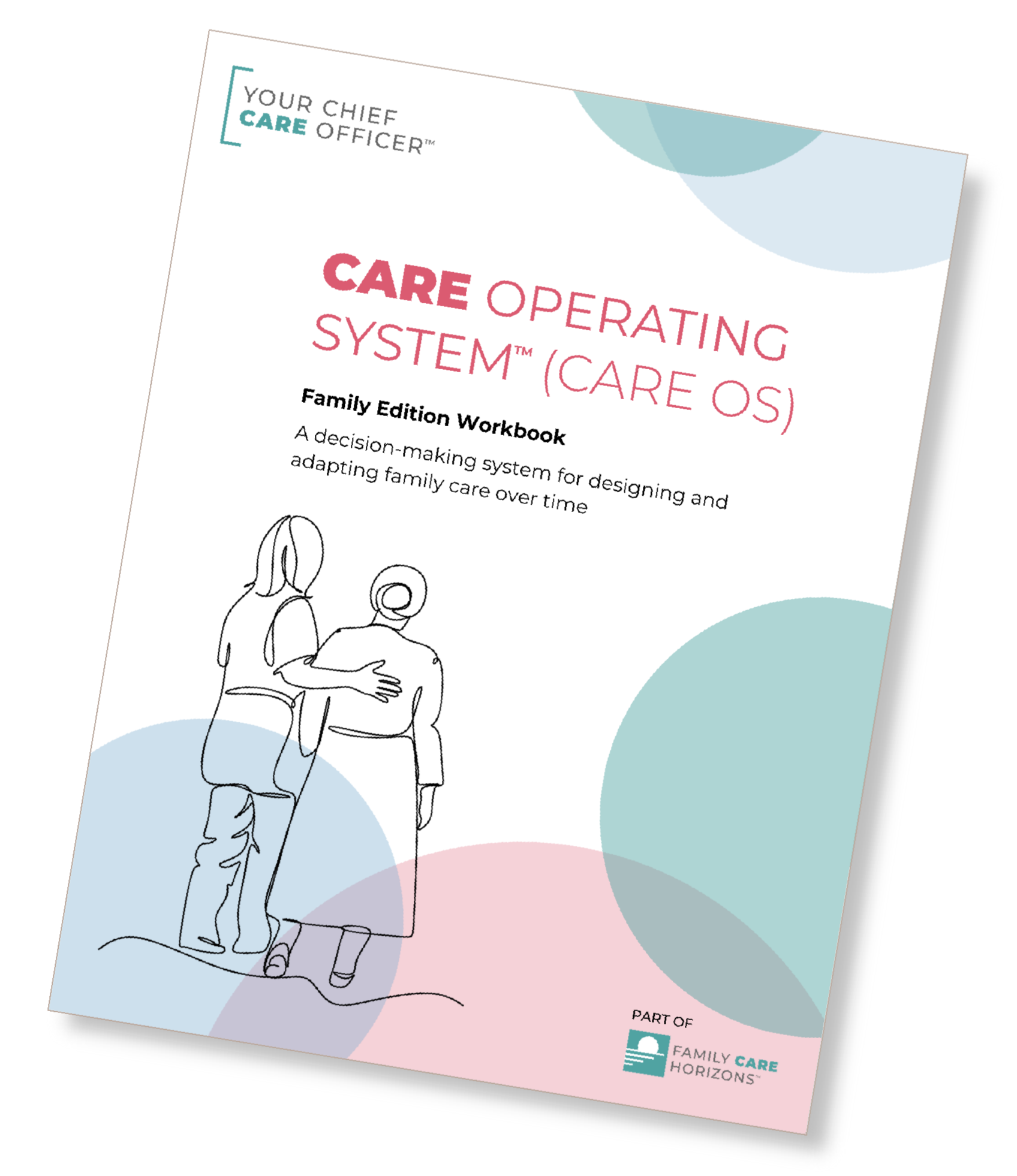
Care Operating System™
Give the care system more structure.
A practical framework for organizing responsibilities, communication, coordination, decisions, and change.
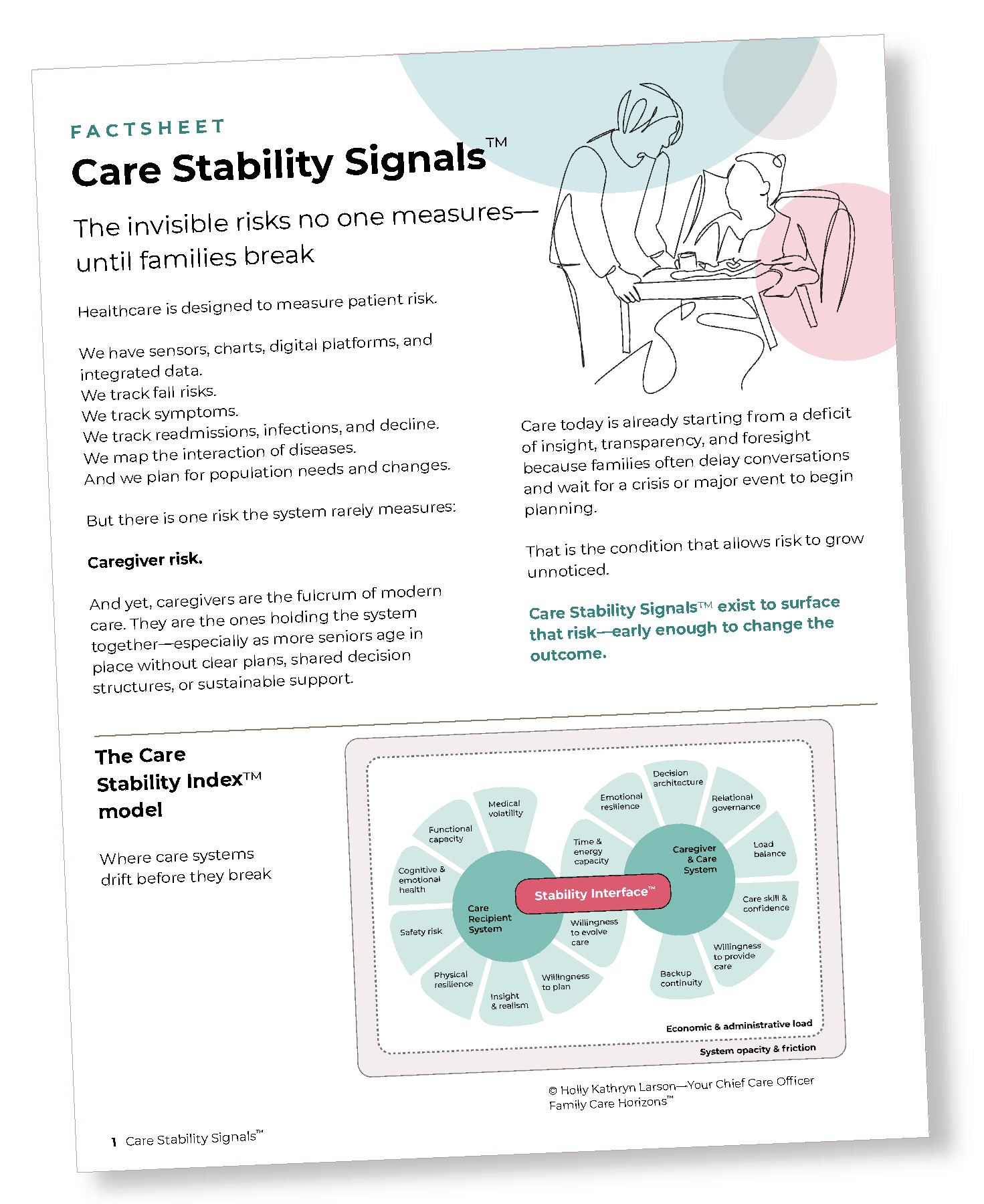
Care Stability Signals™
Notice changing conditions, pressures, and signs that the care system may need attention.
Design what comes next

Don’t just plan for care. Think about the life around it.
Planning doesn’t have to begin with a predetermined solution. It can begin with understanding what matters, exploring possibilities, and considering how care might fit into the life people want to preserve or create.
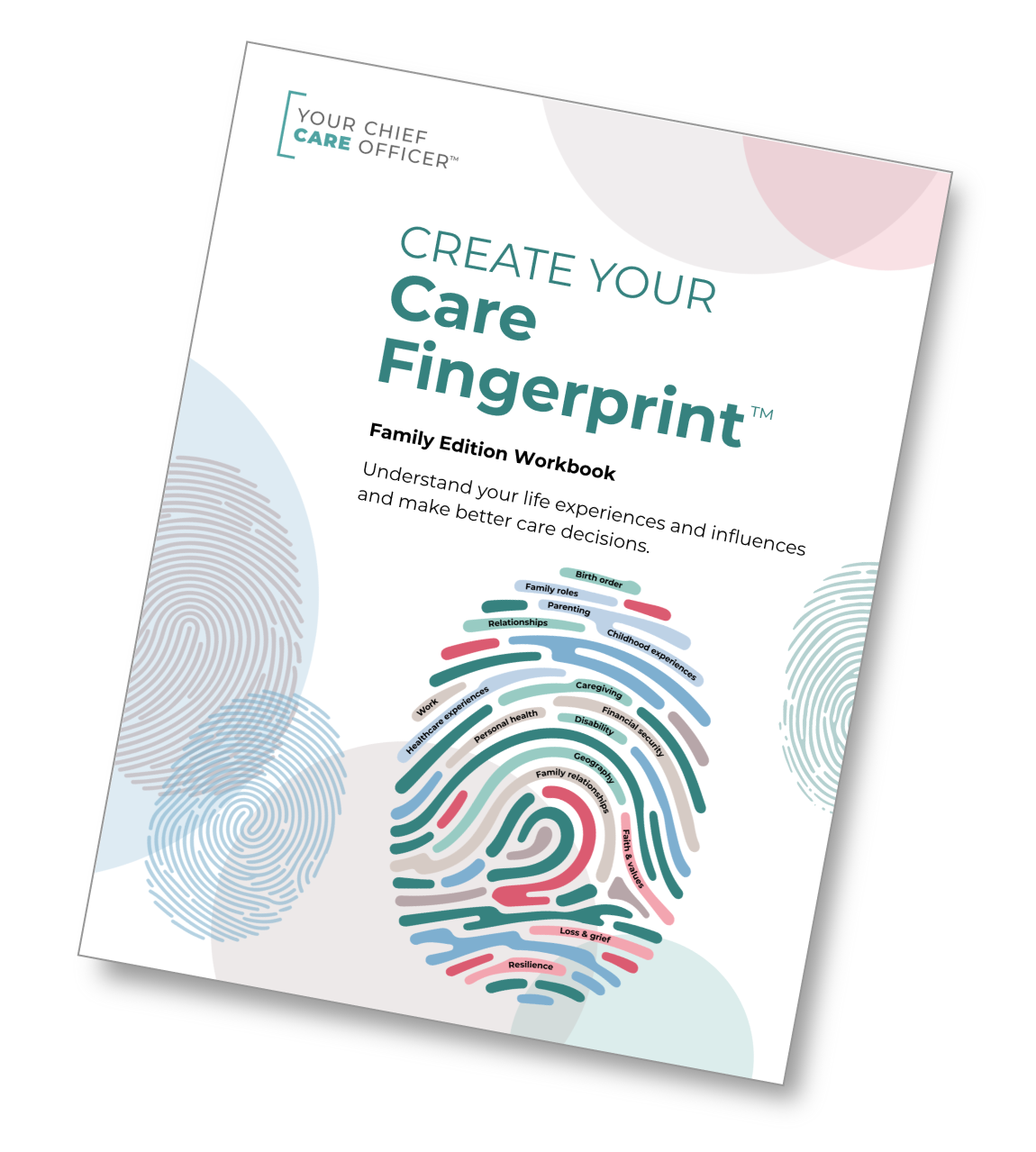
Create Your Care Fingerprint™
Understand what you bring to care decisions.
Your experiences, relationships, values, beliefs, and circumstances shape the way you think about giving, receiving, and planning for care.
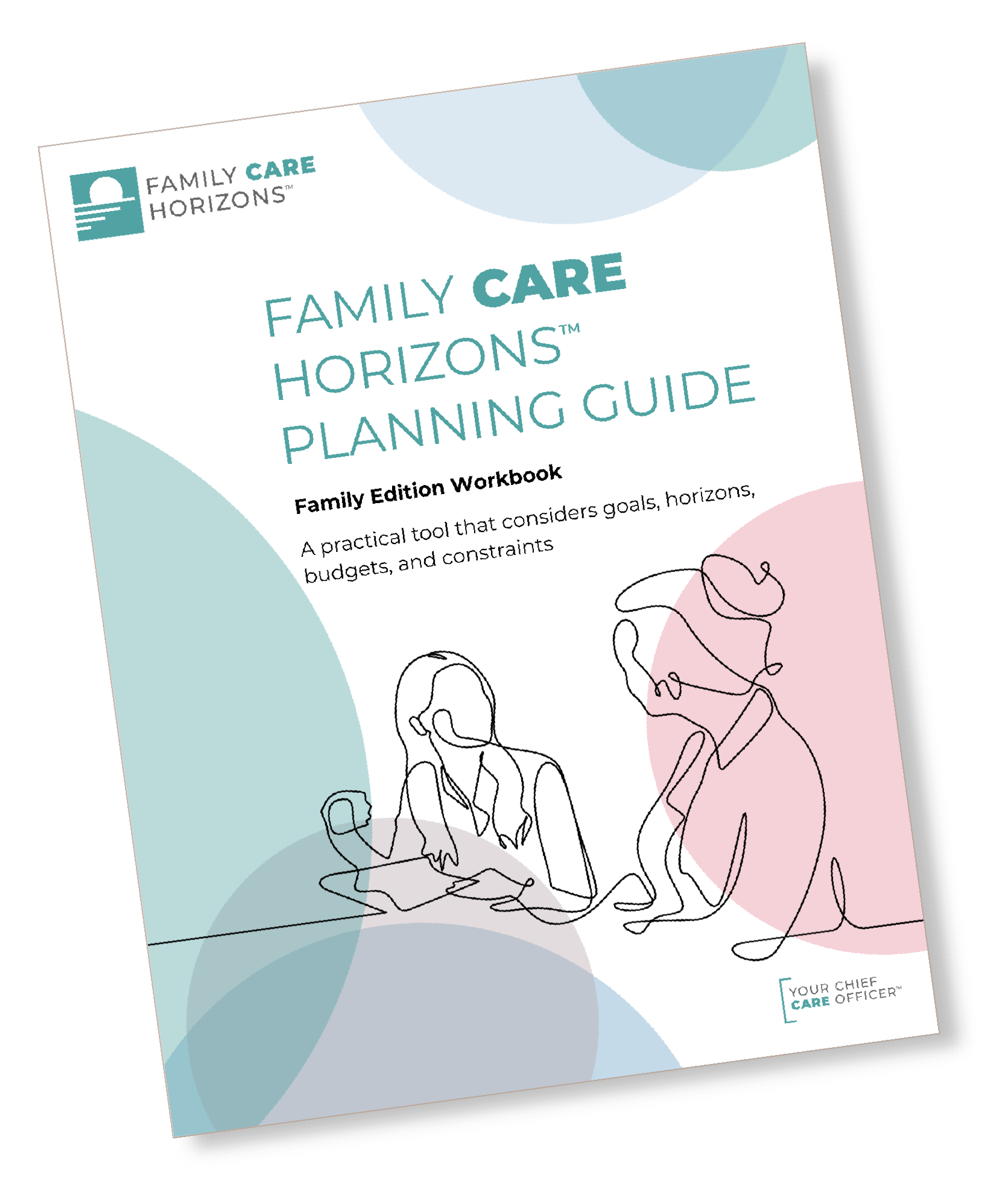
Family Care Horizons™ Planning Guide
Expand the possibilities.
Explore resources, support models, costs, tradeoffs, and creative care options across Family Care Horizons™—including possibilities families may not have considered.
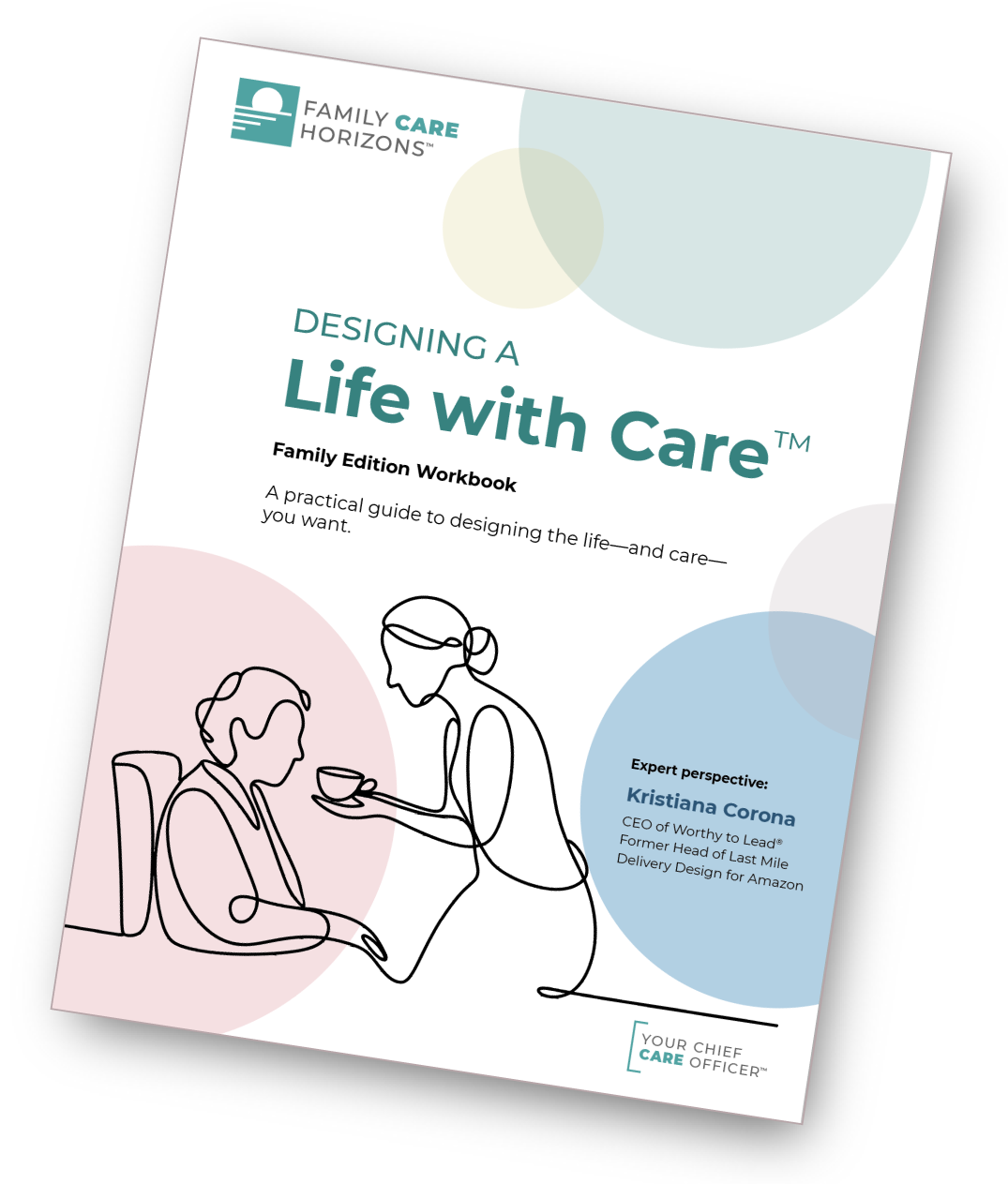
Designing a Life with Care™
Start with the life you’re trying to create.
Step beyond the immediate care decision to consider relationships, home, purpose, connection, independence, support, and what you want life with care to make possible.
Not sure where to begin?
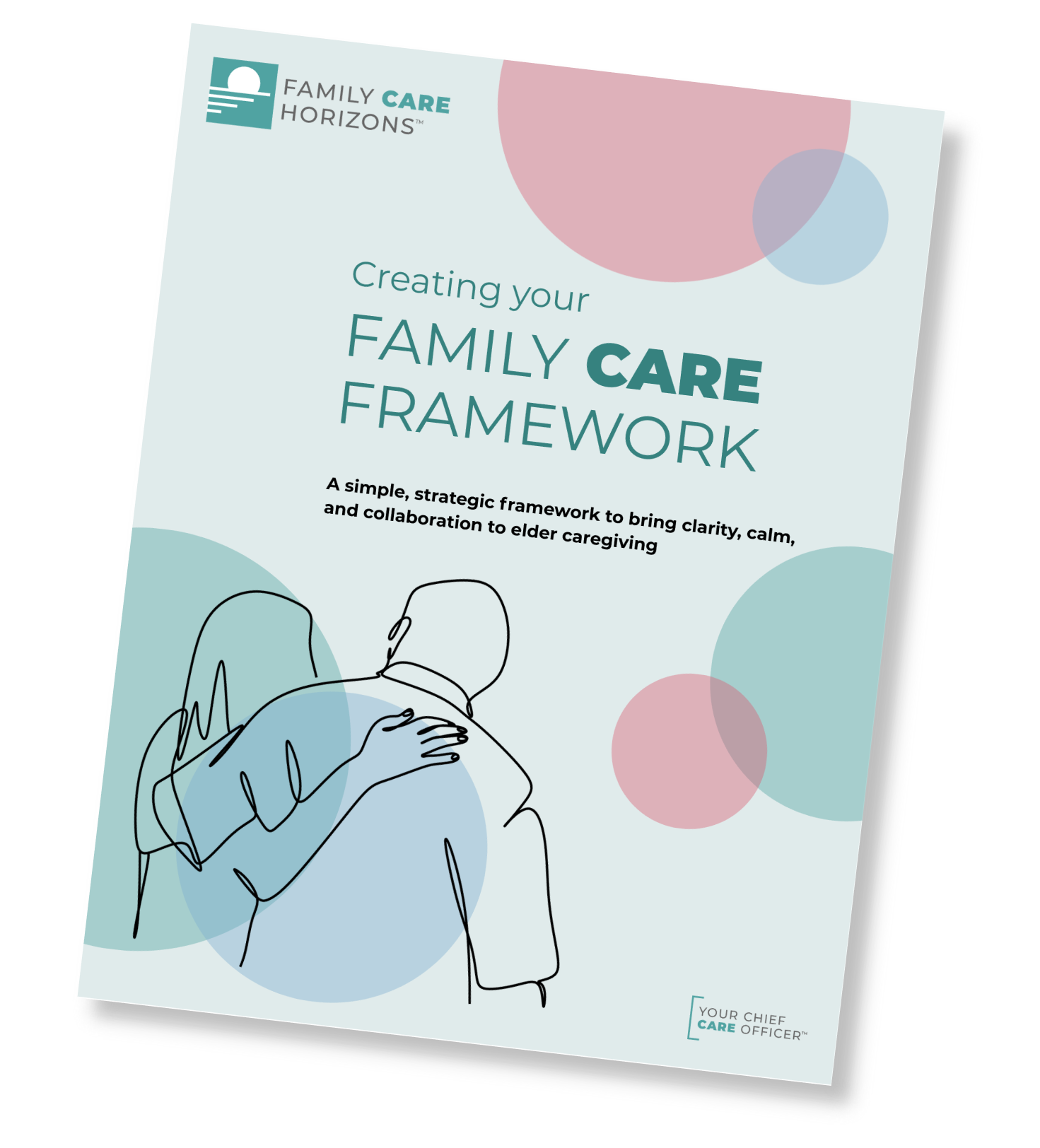
Start with the Family Care Framework
A short, free resource to help you step back, see the bigger picture, and begin thinking about goals, roles, priorities, and what may come next.
Want to keep going? Browse Family Care Horizons™, the Visual Architecture of Care™, and Care Insight Frameworks™.
Care changes. Your plan can too.
You don’t need to predict every possibility or solve everything today.
The goal is to understand what’s happening, make thoughtful decisions with the information you have, and create enough flexibility to adapt as life and care change.
See the system. Lead with intention. Design what comes next.


Note: When we say family, we mean anyone involved in supporting someone’s care—including parents and adult children, partners, friends, neighbors, and community or faith-based supporters. Individuals planning for their own care can also use these tools.
Frequently Asked Questions
-
Caring like a leader doesn’t mean making family care corporate or rigid. It means stepping back from immediate demands to see the larger care system, make intentional decisions, share responsibility, anticipate change, and adapt as needs and circumstances evolve.
Your Chief Care Officer™ organizes this approach around three ideas: See the system. Lead with intention. Design what comes next.
-
You don’t need to predict exactly what will happen. Start by understanding where care is today, what may be changing, who is involved, what matters to the people receiving and providing care, and where additional support may eventually be needed.
Family Care Horizons™ provides a framework for seeing how care can evolve over time and beginning those conversations earlier.
-
The Care Operating System™ is a structured framework for organizing and managing family care. It helps families think through responsibilities, coordination, communication, decision-making, capacity, and how the care system may need to adapt as circumstances change.
-
The Family Care Horizons™ Planning Guide helps families explore options across different stages of care. It brings together support options, costs, tradeoffs, emerging care models, and points when families may consider changing or expanding support.
Rather than treating senior living or any other single option as the inevitable next step, the guide helps families explore a much broader range of possibilities across care horizons.
-
The Care Operating System™ helps you organize and lead the care system you have.
The Family Care Horizons™ Planning Guide helps you explore options and plan for how that system might change.
They can be used independently or together. The Planning Guide complements the Care Operating System™ but does not require it.
-
Your Care Fingerprint™ reflects the life experiences, relationships, values, beliefs, and circumstances that shape how you think about giving, receiving, and planning for care.
Understanding those influences can help families uncover assumptions, better understand different perspectives, and approach care decisions more intentionally.
-
Yes. These resources are designed for people thinking about care for themselves as well as people supporting parents, spouses, partners, relatives, friends, neighbors, or others they care about.
You don’t need to identify as a caregiver—or wait until care becomes intensive—to begin planning.
-
No. Your Chief Care Officer™ frameworks and resources are non-clinical and non-diagnostic. They do not predict medical outcomes or replace medical, legal, financial, or other professional advice. They provide frameworks for understanding, discussing, planning, and making decisions about family care.
-
If you’re new to Your Chief Care Officer™, start with the free Creating Your Family Care Framework to clarify goals, roles, priorities, and the care system around you.