
Media
Conversations about care, complexity, and the systems families depend on
Holly Larson is the founder of Your Chief Care Officer™, a thought leadership and advisory platform bringing systems thinking to family care. Her work explores what it means to Care Like a Leader™—and how families, organizations, and the broader care ecosystem can better see, lead, and design the systems care depends on.
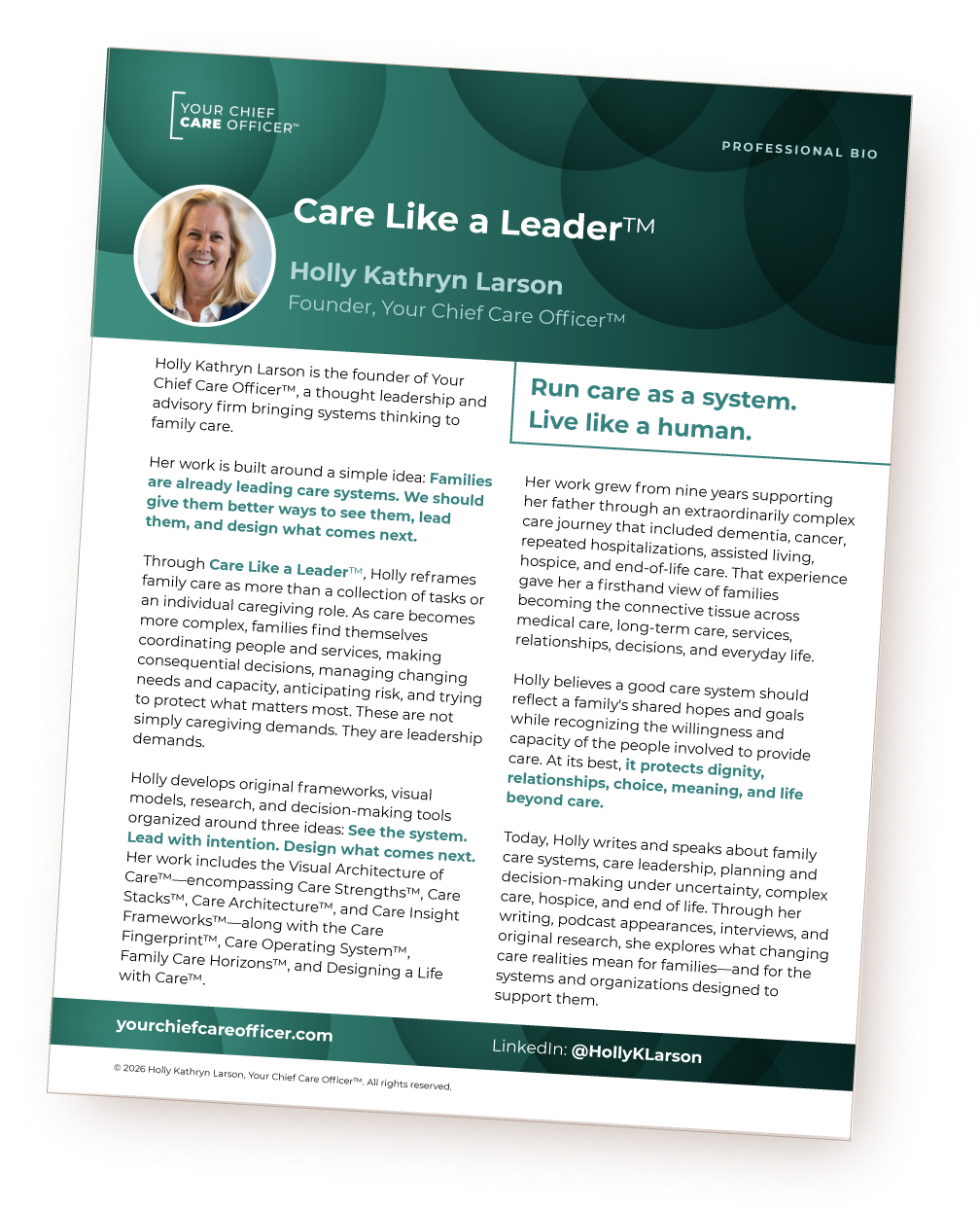
Professional bio
For interviews, podcasts, speaking engagements, and media coverage.
Topics Holly can speak about
Why family care needs to be understood as a system
Care at the intersection of work, leadership, business, technology, and society
What a better-designed care system could look like for families
What it means to Care Like a Leader™
What families encounter when healthcare ends and care continues
The hidden complexity of modern family caregiving
Planning and decision-making under uncertainty
Why care systems become dependent on individual heroics—and what that reveals
Dementia, complex care, hospice, and end of life through the family-care lens
Where care technology and services fit—and where families are still left holding the system together
Upcoming Appearances
Aging Together | Unfiltered with Pooja Patel,
DrOT, OTR/L, BCG, CDP
Forward Thinking with Bryan Walley,
CEO, Forward Inheritance
Recent Media
Family Caregivers Turn to Tech as Burden Soars
Hospice News
Holly shares perspective on the need for earlier care planning, greater attention to caregiver capacity, and more timely support for families navigating complex care.
CareSmartz360 Home Care Expert Insights
In Conversation with Holly Larson on Designing Care Systems That Scale with Families
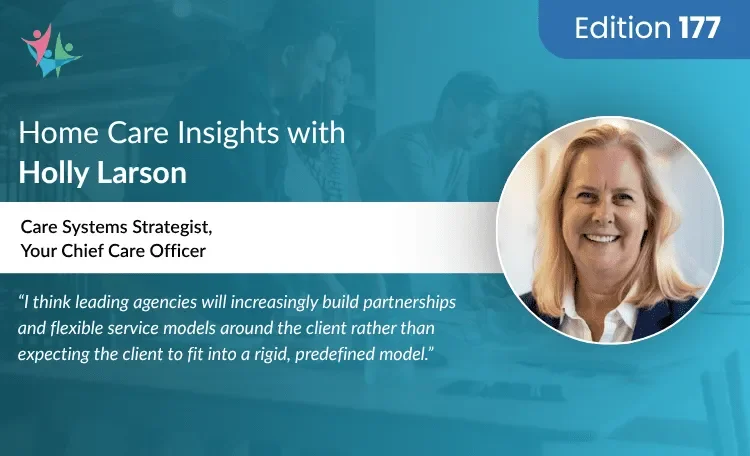
A conversation about the hidden work families carry, aging in place, and building more connected systems of care.
Designing for Dignity
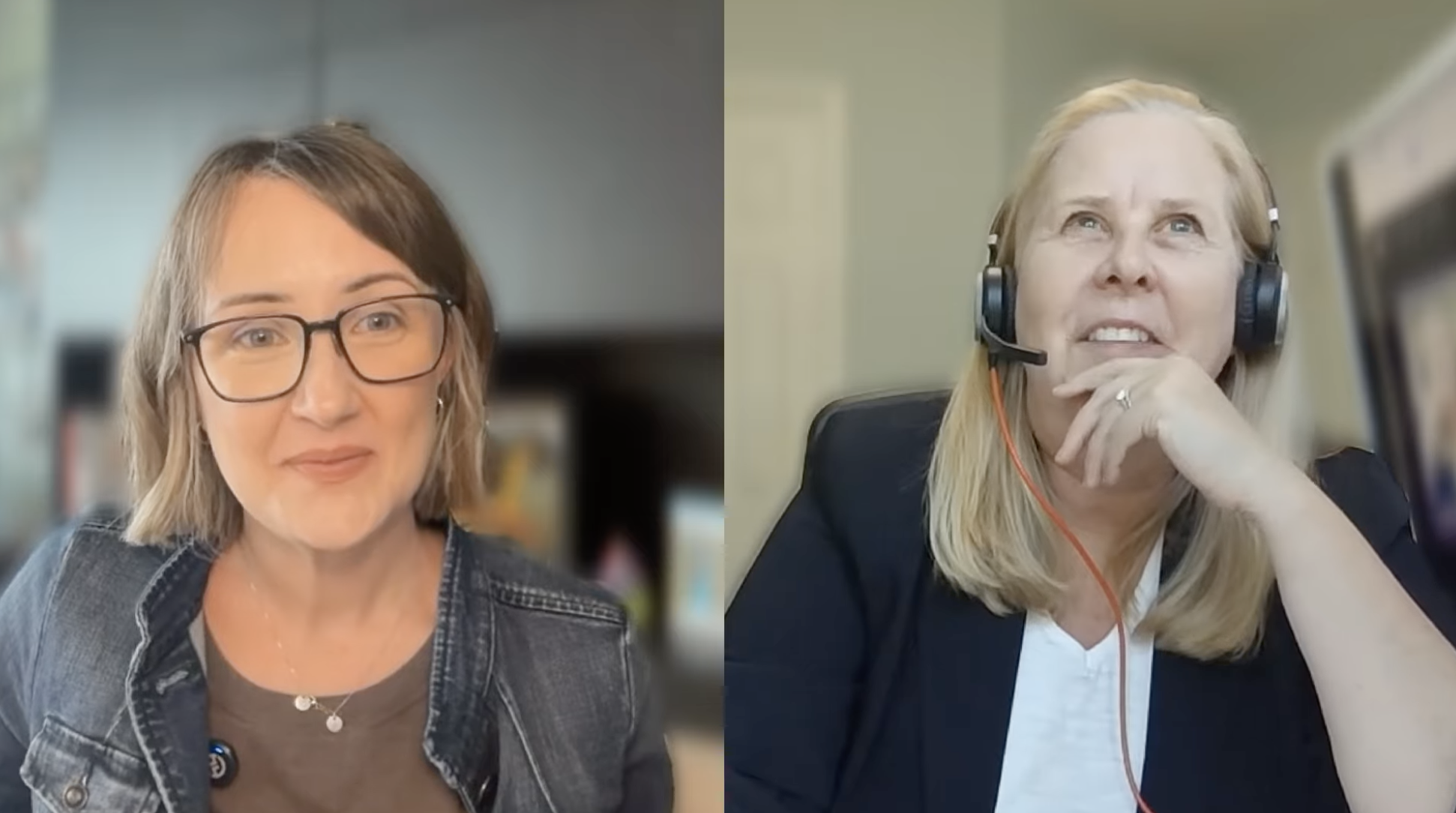
Innovation in Brain Change, AgeTech, and Care with Erin Young
Selected clips
Communication is the most neglected part of caregiving
You are the care system.
Caregiving isn’t one task—it’s 369 different responsibilities.
The best care plan is a proactive care plan.
Why companies need to stop treating elder care as just another employee benefit.
The Medical Equipment World & Healthcare: Get the Scoop
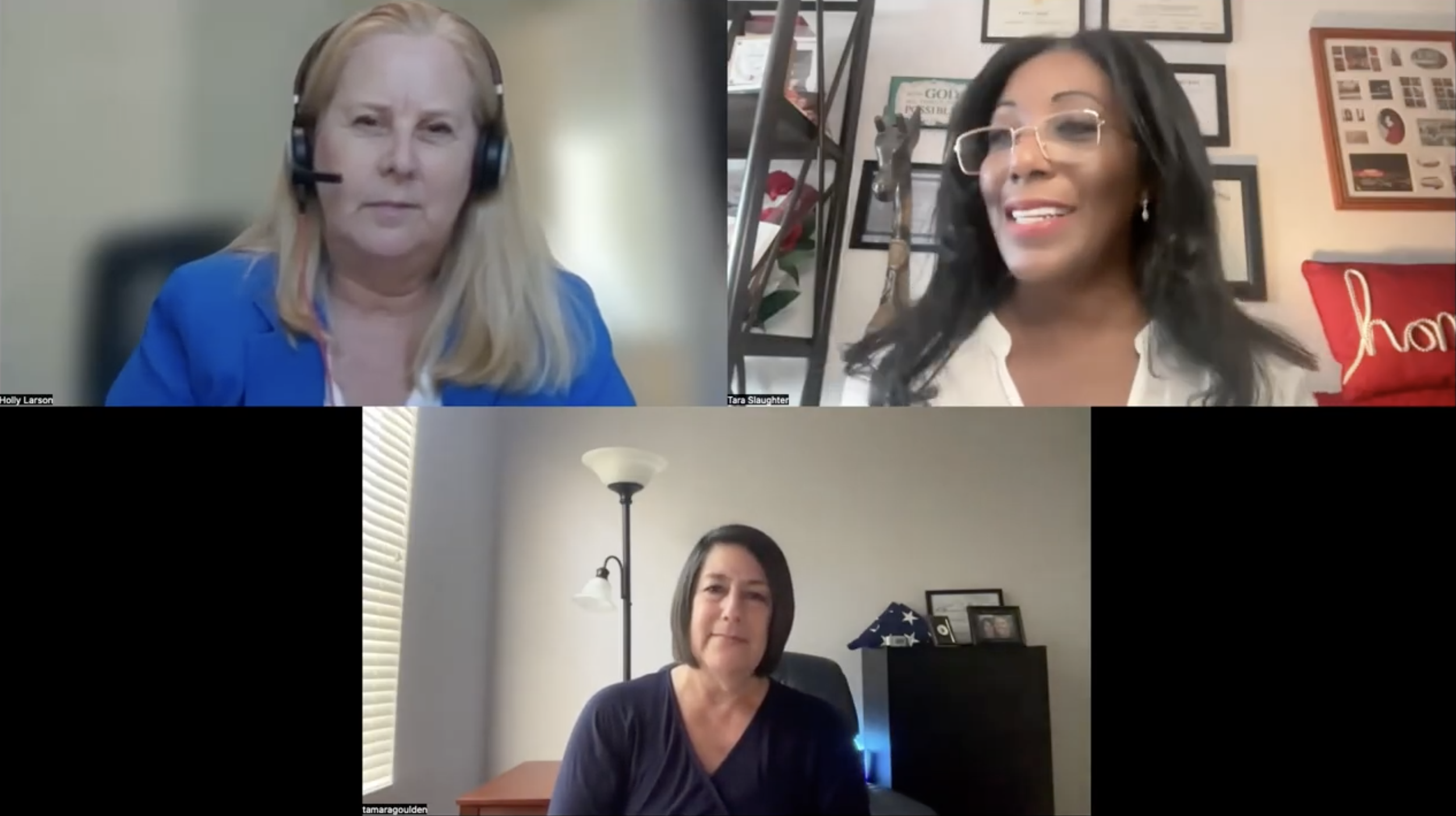
What Families Don’t Realize After Discharge—Until They’re Living It with Tara Slaughter
Looking for a guest or source?
Holly is available for media interviews, podcasts, expert commentary, and conversations about family caregiving, care systems, care leadership, care technology and services, and planning and decision-making under uncertainty. Her work draws on nine years of lived caregiving experience, including dementia, complex care, assisted living, hospice, and end-of-life care.


Note: When we say family, we mean anyone involved in supporting someone’s care—including parents and adult children, partners, friends, neighbors, and community or faith-based supporters. Individuals planning for their own care can also use these tools.