Why does caregiving feel so overwhelming — even when you’re doing everything you can?
Many caregivers are not failing.
They are quietly carrying more of the care system than anyone realizes.
Watching for risk. Coordinating appointments. Navigating healthcare systems. Holding family together. Preserving dignity. Planning ahead.
No one was meant to carry all of this alone.
The Care Archetypes™ Quiz helps you understand the invisible work you may already be carrying — and why caregiving feels harder than expected.
In less than 5 minutes, you’ll discover:
✔ Why caregiving may feel heavier than expected
✔ The care roles you naturally step into
✔ Where strain may be building
✔ Where support may help most
✔ One practical place to start
11 short questions • Free personalized report • Takes less than 5 minutes
What are Care Archetypes™?
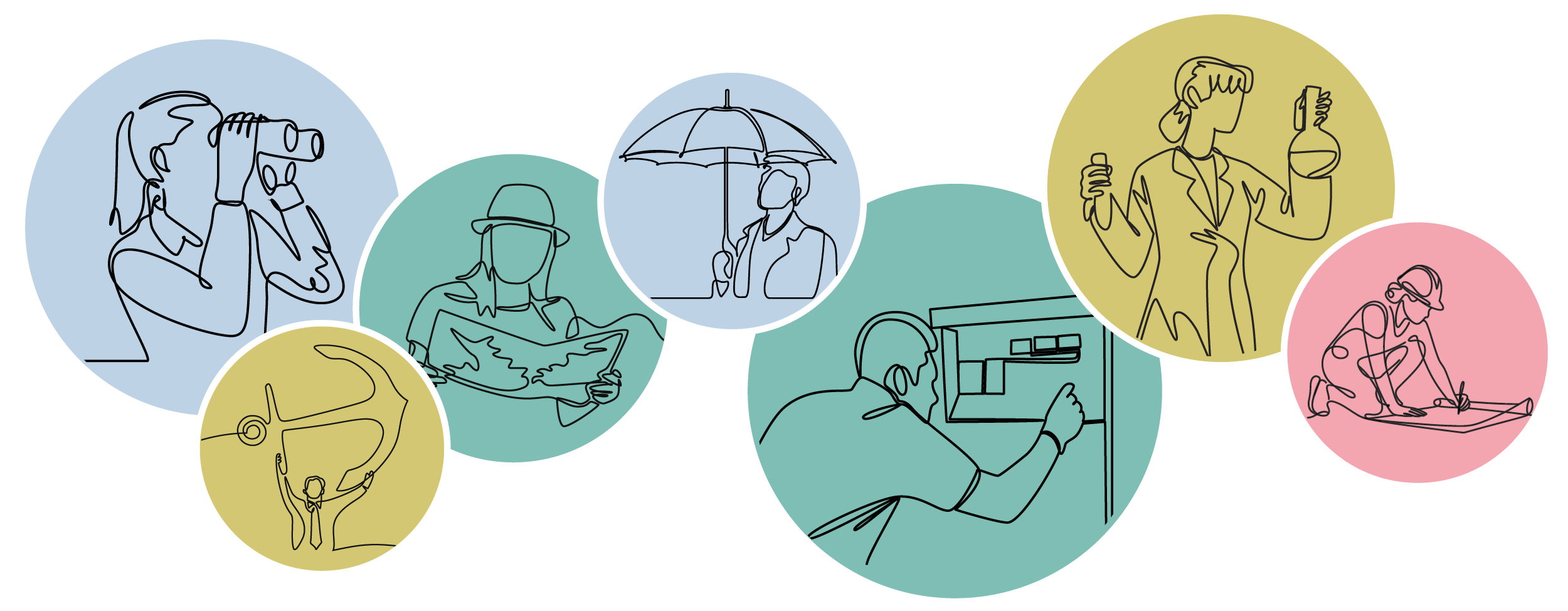
Caregiving is rarely one role
Most people think caregiving means helping with tasks.
But caregiving often becomes much bigger than that.
You may be:
Noticing risks
Coordinating appointments
Researching options
Advocating inside healthcare systems
Holding the family together
Planning for what happens next
And often?
Those responsibilities quietly collapse onto one person.
That is one reason caregiving can feel so overwhelming.
Care Archetypes™ reveal the care roles people naturally step into to help stabilize care.
This is not a personality test.
It is a practical way of understanding:
✔ What roles you may already be carrying
✔ Why care feels harder than expected
✔ Where strain may be building
✔ What support may help lighten the load
THE 8 CARE ARCHETYPES™
Most people carry 2–4 care roles at once. Which sound familiar?
Most people recognize themselves in more than one.
Sentinel
You notice subtle changes early and often carry responsibility for safety.
Navigator
You figure out who to call, what resources exist, and how to move through fragmented systems.
Operator
You keep daily life functioning — appointments, medications, routines, and logistics.
Advocate
You speak up to help ensure your loved one receives appropriate care.
Stabilizer
You help hold the family together during stress, conflict, or uncertainty.
Anchor
You protect dignity, emotional connection, and identity.
Architect
You think ahead and plan for future care needs.
Phoenix
You help people adapt and rebuild after crisis, disruption, or major change.
WHY TAKE THE QUIZ?
Caregiving may feel hard for reasons that are difficult to see
You may feel:
Emotionally exhausted
Responsible for everything
Overwhelmed coordinating care
Frustrated navigating healthcare systems
Unsure how to get help from family
Stretched too thin over time
Many caregivers are not failing.
They are carrying too many care functions at once.
The Care Archetypes™ Quiz helps you better understand:
Why caregiving feels heavier than expected
Care often becomes harder when too many responsibilities quietly concentrate on one person.
The care roles you naturally step into
You may be managing logistics, advocacy, planning, relationships, or risk — often without fully realizing how much you’re carrying.
Where strain may be building
Different care roles experience different kinds of pressure.
Where support may help most
Sometimes care feels overwhelming not because anyone is failing — but because support may be uneven or stretched thin in key areas
One practical place to start
You’ll receive one small, thoughtful recommendation based on your results.
WHO IS THIS QUIZ FOR?
If care has become more complicated, uncertain, or overwhelming — this quiz may help.
The Care Archetypes™ Quiz was designed for:
Adult children caring for aging parents
Dementia caregivers
Long-distance caregivers
Sandwich generation caregivers
Spouses supporting a loved one through illness
Families coordinating care after hospitalization or diagnosis
Anyone quietly carrying complex care responsibilities
You do not need to identify as a “caregiver” to benefit.
Many people are coordinating appointments, watching for changes, making decisions, helping family, or supporting a loved one — without realizing how much invisible work they are carrying.
This quiz helps make that work visible.
FREQUENTLY ASKED QUESTIONS
What is the Care Archetypes™ Quiz?
The Care Archetypes™ Quiz is a short caregiving assessment designed to help people better understand the care roles they naturally step into.
Rather than focusing only on caregiving tasks, the quiz looks at how people help stabilize care systems — from noticing risk and navigating healthcare to managing logistics, preserving dignity, planning ahead, and helping families adapt during change.
You’ll receive a personalized Care Archetypes™ report explaining:
✔ Your primary care role
✔ Supporting roles you may also be carrying
✔ Where strain may be building
✔ Where support may help most
✔ One practical place to start
Is this a caregiver burnout quiz?
Not exactly.
Many caregiver burnout assessments focus mainly on stress symptoms.
The Care Archetypes™ Quiz looks deeper at why strain may be building.
Often, caregiving becomes overwhelming because one person is quietly carrying too many invisible care responsibilities at once.
The quiz helps you better understand what you may be carrying — and where support may help lighten the load.
How long does the quiz take?
Less than 5 minutes.
The quiz includes 11 short questions and provides a personalized report.
Will this apply to my situation?
The quiz is designed for anyone helping care for another person — especially when responsibilities feel complex, uncertain, or overwhelming.
This includes supporting:
Aging parents
A spouse or partner
Someone with chronic illness or disability
Recovery after hospitalization or injury
Serious illness or changing health needs
End-of-life care
Is this a personality test?
No.
Care Archetypes™ are not personality types.
They describe the care roles people instinctively step into to help stabilize care.
Most people carry multiple roles at once — and those roles often shift over time.
Why does caregiving feel so hard?
Caregiving often becomes difficult because families absorb responsibilities that formal
systems do not fully cover.
One person may be watching for health changes, coordinating appointments, managing logistics, supporting emotions, navigating systems, and planning ahead — often while working or caring for others.
The challenge is often structural, not personal.
You were never meant to carry an entire care system alone.
Care often feels overwhelming not because you are failing — but because you may be carrying more than anyone can see.
Understand the invisible work you may already be carrying — and what may help lighten the load.
In less than 5 minutes, get a clearer picture of what you may be carrying — and where support may help most.